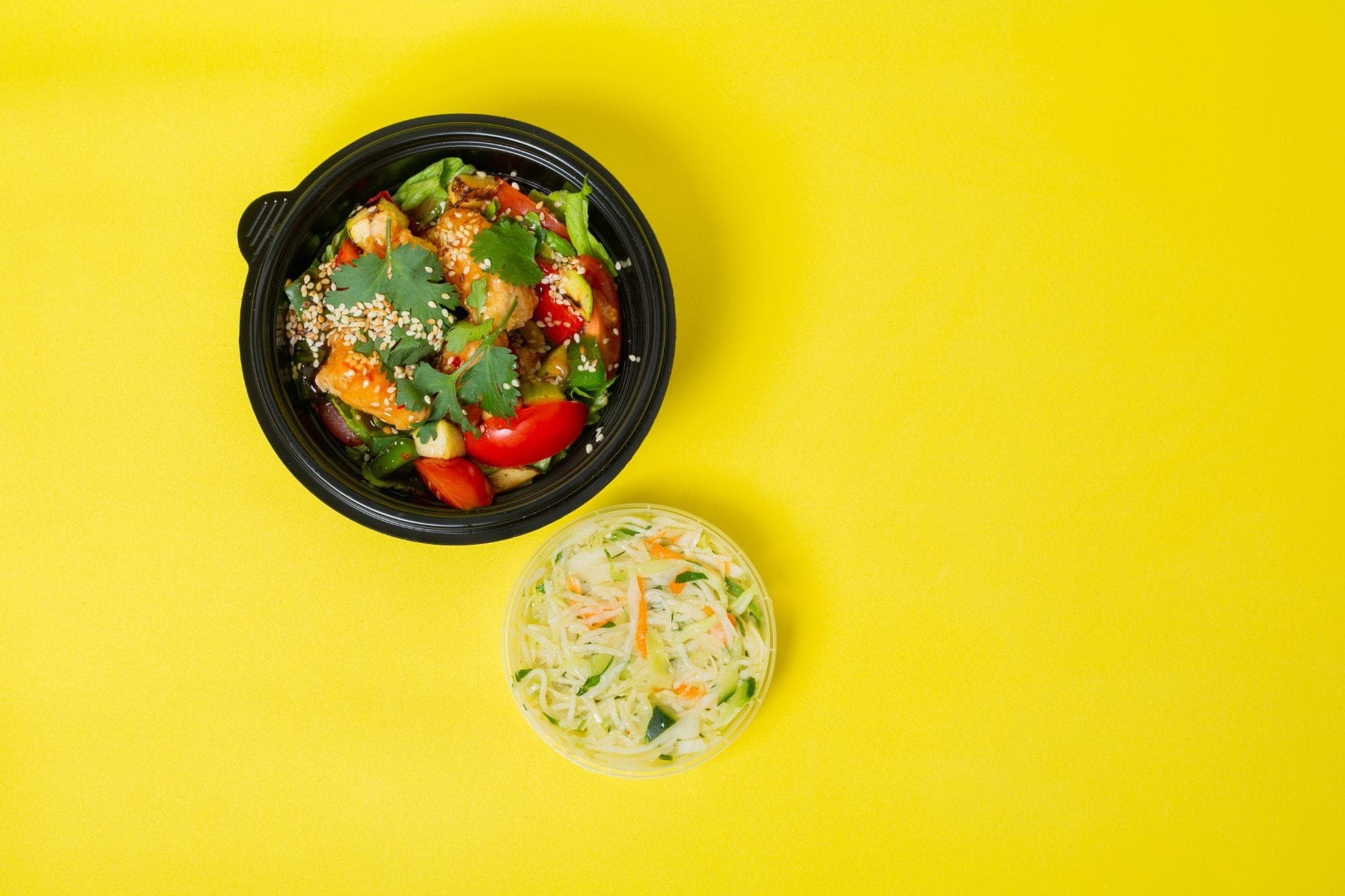
A 1500 calorie meal plan is a popular nutritional strategy designed to help individuals control their food intake and jumpstart a weight loss journey. By creating a calorie deficit—consuming fewer calories than your body burns—this plan typically aims for a sustainable weight loss of one to two pounds per week. However, because nutritional requirements vary significantly based on factors like age, gender, weight, and activity level, it is essential to determine if this specific caloric target is right for your unique needs.
Determining Your Individual Needs
Before starting a 1500 calorie meal plan, you should estimate your Total Daily Energy Expenditure (TDEE), which is the total number of calories your body burns in a day. A common method for this is the Mifflin-St. Jeor equation, which uses your height, weight, age, and an "activity factor" ranging from sedentary to extra active to calculate your maintenance calories. Once you have your TDEE, a standard recommendation for losing about a pound a week is to reduce that daily total by approximately 500 calories.
Core Principles of a Balanced Plan
To ensure success and satiety, a well-designed 1500 calorie meal plan should prioritize nutrient density over empty calories.
- Focus on Protein and Fiber: High-fiber and high-protein foods are critical because they help you feel full and satisfied for longer periods. Professionals often suggest aiming for at least 53 grams of protein and 36 grams of fiber daily to maintain energy and gut health while eating at a deficit.
- Whole Foods vs. Processed Foods: The majority of your diet should consist of minimally processed whole foods like non-starchy vegetables (kale, broccoli, mushrooms), fruits (berries, apples), lean proteins (chicken, fish, eggs), and healthy fats (avocados, olive oil).
- Foods to Limit: To stay within your calorie limits and reduce inflammation, you should minimize intake of fast food, refined carbohydrates (white bread, sugary cereals), added sugars, and highly processed "diet" or low-fat snacks, which often contain hidden sugars.
Sample Daily Structures
A 1500 calorie meal plan can be quite flexible, often broken down into three meals of roughly 500 calories each, or three meals and small snacks. Meal Planner Pro makes building a complete 1500 calorie meal plan effortless. It automatically calculates calories and macros, lets you swap meals, and generates a full weekly schedule with shopping lists based on your preferences.
- Breakfast Options: Start the day with Bircher muesli, baked banana-nut oatmeal cups, or a protein-rich egg and avocado toast.
- Lunch Options: Midday meals can include chipotle-lime cauliflower taco bowls, a veggie and hummus wrap, or a nutrient-dense salad with grilled chicken and chickpeas.
- Dinner Options: End the day with satisfying dishes like chilli con carne with cauliflower pilaf, baked cod with quinoa and broccoli, or a sheet-pan chicken fajita bowl served with brown rice.
- Smart Snacks: If you have room in your daily total, consider fiber-rich snacks such as a medium apple with peanut butter, a hard-boiled egg, or a portion of almonds.
The Secret to Adherence: Batch-Cooking Cycles
One of the primary reasons people fail on a 1,500 kcal plan is “decision fatigue”, the burden of cooking a new recipe every night. Modern plans often use batch-cooking cycles to reduce friction.
- Cycle A (Days 1–3): Focus on higher protein to protect muscle early in the week. Examples include coconut curry white fish or light fish blanquette.
- Cycle B (Days 4–5): Often vegetarian-leaning with higher fats for satiety, such as poached eggs with herb skyr or corn-avocado salad.
- Cycle C (Days 6–7): Higher carbohydrate counts to fuel weekend activity, featuring meals like creamy curry pasta with ground beef.
Building out batch-cooking cycles like these from scratch takes real planning effort. Meal Planner Pro can generate a full 1,500 kcal weekly menu for you automatically, complete with grocery lists and recipes designed around your exact calorie and protein targets.
Sample 7-Day 1,500 kcal Menu
This sample menu combines diverse nutritional approaches to keep meals interesting:
- Day 1: Breakfast: Egg and avocado toast; Lunch: Salad with grilled chicken and chickpeas; Dinner: Baked cod with quinoa and roasted broccoli.
- Day 2: Breakfast: Baked banana-nut oatmeal cups; Lunch: Chipotle-lime cauliflower taco bowls; Dinner: Zucchini-chickpea veggie burgers.
- Day 3: Breakfast: Bircher muesli; Lunch: Wholemeal bread with cheddar and tomato; Dinner: Chilli con carne with cauliflower pilaf.
- Day 4: Breakfast: Muesli with raspberries and banana; Lunch: Cauliflower taco bowls; Dinner: Chicken and cucumber lettuce wraps with peanut sauce.
- Day 5: Breakfast: Breakfast smoothie with pea protein and blackberries; Lunch: Kale salad with grilled chicken and lentils; Dinner: Shrimp fajitas with corn tortillas.
- Day 6: Breakfast: Cinnamon semolina pudding; Lunch: Chicken and fresh vegetable salad; Dinner: Creamy curry pasta with ground beef.
- Day 7: Breakfast: “Egg in a hole” peppers with avocado salsa; Lunch: Curried sweet potato and peanut soup; Dinner: Spinach and artichoke dip pasta.
Health and Sustainability Tips
- Consult Professionals: If you have a medical condition like diabetes, it is crucial to speak with your healthcare team before making significant dietary changes. This is particularly important for those using insulin or medications that increase the risk of hypoglycemia, as reducing calorie and carbohydrate intake may require medication adjustments.
- Meal Preparation: Success is often found in the "prep school" approach. Making batches of staples like oatmeal cups or hard-boiled eggs in advance can prevent impulsive, high-calorie food choices when you are busy. Tools like Meal Planner Pro can streamline your prep by creating automated shopping lists and portion-controlled recipes.
- Hydration and Movement: Don't forget to drink regular fluids, such as plain water or unsweetened tea and coffee. Additionally, combining your 1500 calorie meal plan with regular physical activity—even just 30-minute walks—can improve metabolic health and mental wellness.
- Focus on Progress, Not Just the Scale: Remember that healthy weight loss is a "slow and steady" process. While the scale is one metric, you may also want to track fat loss through body measurements, as exercise can help you gain muscle even as the scale moves slowly.
General information, not medical advice. Talk to your doctor or a registered dietitian before making big changes to your diet, especially if you have a health condition.
Our editorial policy