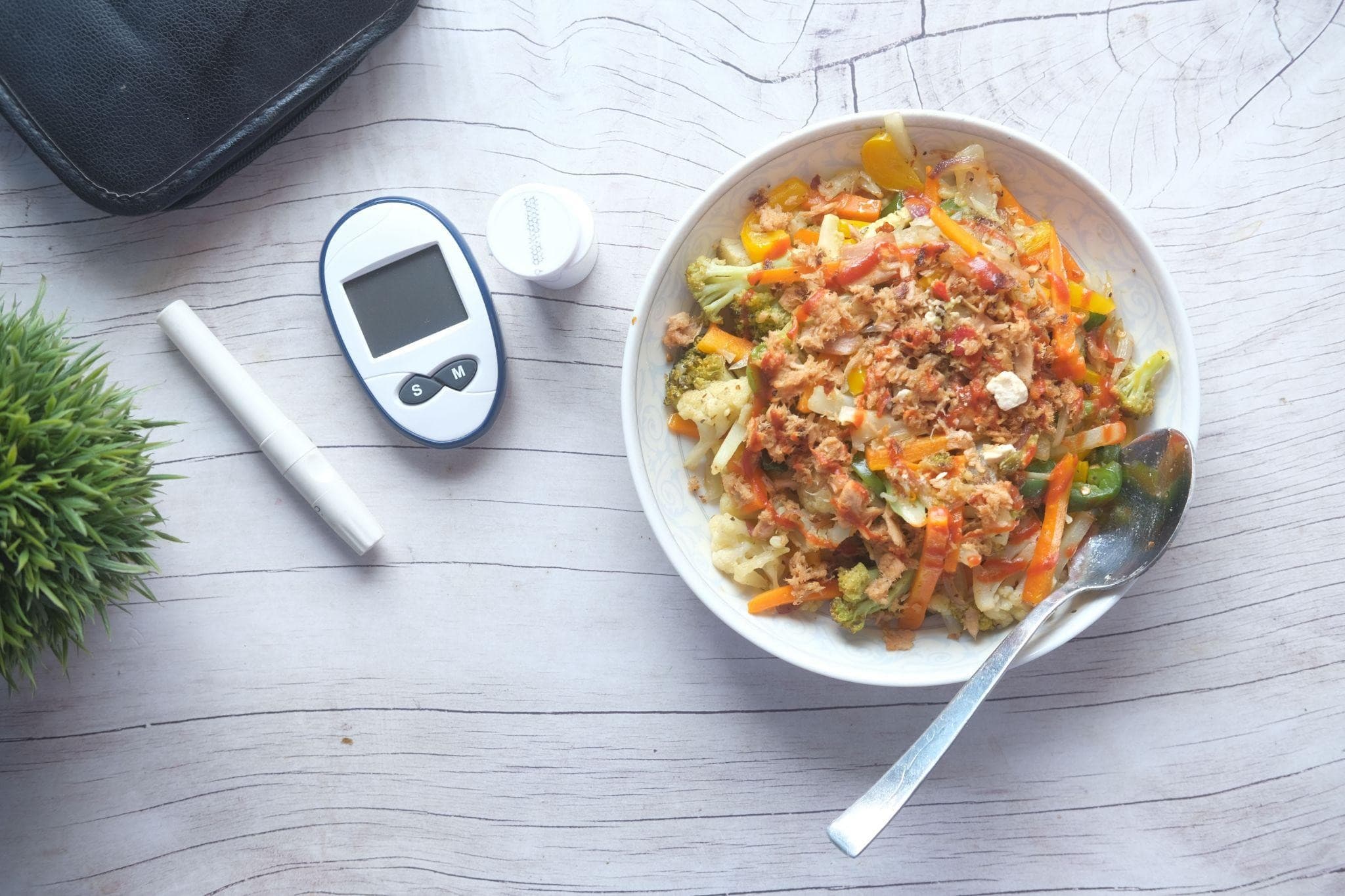
A diabetic meal plan is a healthy-eating guide designed to help diabetics manage their blood sugar levels while ensuring they receive proper nutrition. Unlike restrictive fad diets, a well-designed diabetic meal plan focuses on eating the healthiest foods in moderate amounts and sticking to regular mealtimes. By prioritizing whole foods and limiting highly processed items, this approach helps manage weight and reduces the risk factors for heart disease and stroke. You can find a custom diabetic meal plan on Meal Planner Pro designed to easily fit your needs and preferences.
Core Principles of Diabetes Meal Planning
The goal of a diabetic meal plan is to keep blood sugar levels within a target range. This is achieved by focusing on:
- Consistency: Eating at regular intervals helps the body better utilize the insulin it produces or receives through medication. It is often recommended to wait two to three hours between meals to allow blood glucose to lower before eating again.
- Fiber-Rich Carbohydrates: Since carbohydrates have the greatest impact on blood sugar, choosing healthy ones is critical. A robust diabetic meal plan includes fruits, vegetables, whole grains, legumes, and low-fat dairy. Fiber is especially important because it moderates how the body digests food, helping to stabilize glucose levels.
- Heart-Healthy Fats and Proteins: The plan should include “good” fats like avocados, nuts, and olive oil, as well as lean proteins such as chicken, fish, eggs, and beans. Heart-healthy fish rich in omega-3 fatty acids, like salmon or mackerel, should be consumed at least twice a week.
- Foods to Limit: It is essential to reduce added sugars, refined grains (like white bread and pasta), and trans fats found in processed snacks. Sodium should also be limited to 2,300 mg or less per day to protect heart health.
Effective Planning Methods
There is no single “one-size-fits-all” diet, but these are some common meal plans for diabetes:
The Plate Method
The “Diabetes Plate” is a simple visual tool to ensure balanced portions without the need for constant counting or measuring. Using a nine-inch dinner plate, follow these steps:
- Fill half with nonstarchy vegetables: Examples include spinach, broccoli, carrots, and green beans.
- Fill one quarter with lean protein: This includes fish, lean pork, chicken, tofu, or eggs.
- Fill one quarter with quality carbohydrates: Options include brown rice, starchy vegetables like peas or sweet potatoes, or whole-grain bread.
- Pair with a drink: Choose water or a zero-calorie beverage like unsweetened tea.
Carbohydrate Counting
For those taking insulin, carb counting is a more precise method. It involves tracking the total grams of carbohydrates in each meal to match medication doses. For balanced nutrition, women may aim for 30–45 grams of carbs per meal, while men may aim for 45–60 grams.
But you can take the guesswork out of it using Meal Planner Pro, a tool that personalizes your diabetic meal plan according to your lifestyle and goals!
A Sample 7-Day Diabetic Meal Plan (1,500–1,800 Calories)
This plan prioritizes lean proteins, heart-healthy fats, and fiber-rich carbohydrates.
| Day |
Breakfast |
Lunch |
Dinner |
| 1 |
Banana–peanut butter yogurt parfait |
Greek salad with edamame and 1 cup sliced strawberries |
One-skillet garlicky salmon & broccoli with brown rice |
| 2 |
One-egg omelet with spinach/mushrooms, 2 slices whole-grain toast, ½ cup low-fat milk |
Chickpea chopped salad with pita chips and 3 oz. cooked chicken breast |
Crispy chicken rice bowl |
| 3 |
Steel-cut rolled oats with 1 tbsp peanut butter and ½ cup low-fat milk |
Roast chicken sandwich on whole-grain bread with mayo, lettuce, tomato, and one medium apple |
Spiced couscous-stuffed peppers |
| 4 |
Tofu scramble with spinach and a medium banana |
Mexican baked eggs on black beans with whole-grain bread and ½ cup low-fat yogurt |
Pistachio-crusted halibut with raspberry-spinach salad and whole-wheat baguette |
| 5 |
Spinach & egg scramble with raspberries and 1 cup nonfat plain kefir |
3 oz. tuna (in water) on whole-wheat pita with lettuce, tomato, and one small banana |
One-pot chicken & rice soup with mixed greens and Italian dressing |
| 6 |
Two slices whole-grain/rye toast with ¼ mashed avocado and one poached egg |
Buddha bowl with a medium apple |
Spring roll salad |
| 7 |
Chocolate peanut oatmeal (oats, 1 scoop protein powder, 1 tbsp peanut butter) |
Green salad with 3 oz. grilled chicken breast, ¼ cup croutons, and ½ cup low-fat yogurt |
Chicken and white bean stew with a 2 oz. whole-grain roll |
Managing Portions and Snacks
Controlling portion sizes is vital for weight and blood sugar management. A “handy” guide can help estimate portions on the go: a palm-sized portion represents 3 ounces of meat, a fist represents one cup or one medium fruit, and a thumb tip represents one tablespoon.
When it comes to snacking, a diabetic meal plan should include healthy options that combine protein, fats, and fiber to manage hunger. Good choices include fruit with nuts, hummus with celery, or a hard-cooked egg.
Smart Snacking Strategies
Snacks are useful for managing hunger between meals, but they should be chosen based on your current blood sugar levels:
- No-Carb Options (best if blood sugar is >140): Raw vegetables with dip, a hard-cooked egg, or 2–4 tbsp of almonds.
- 15g Carbohydrate Snacks (best if blood sugar is 100–140): 1 cup of strawberries, 3 cups of light popcorn, or one medium orange.
- 30g Carbohydrate Snacks (best if blood sugar is <100): 2 cups of mixed berries and melon or one whole banana.
The blood sugar numbers above are general examples, not personal targets. Follow the plan from your doctor or diabetes care team, including what to do about a low reading.
General information, not medical advice. This article is not reviewed by a doctor or dietitian. If you have a health condition or take medication, talk to your doctor or a registered dietitian before changing your diet.
Our editorial policy