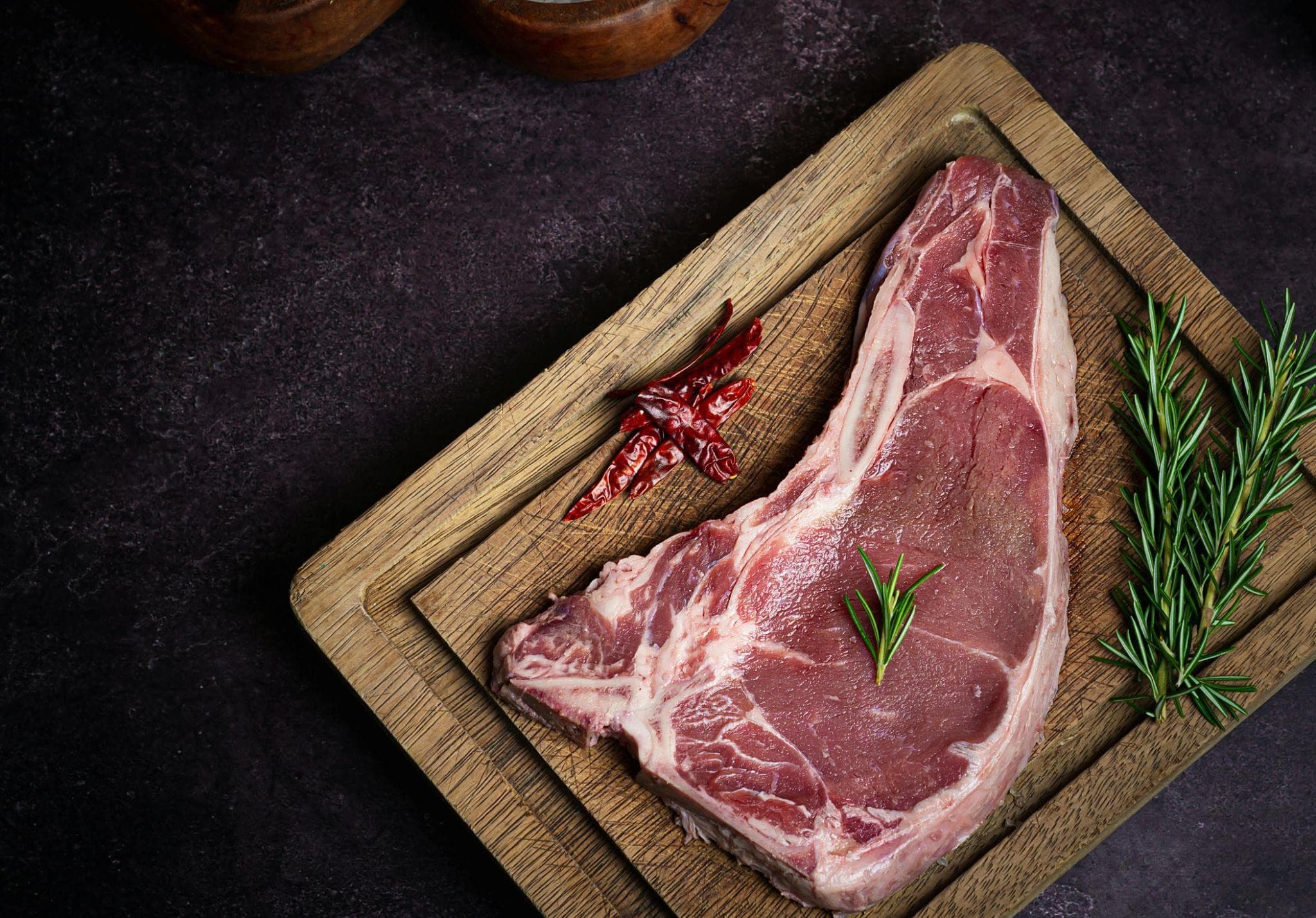
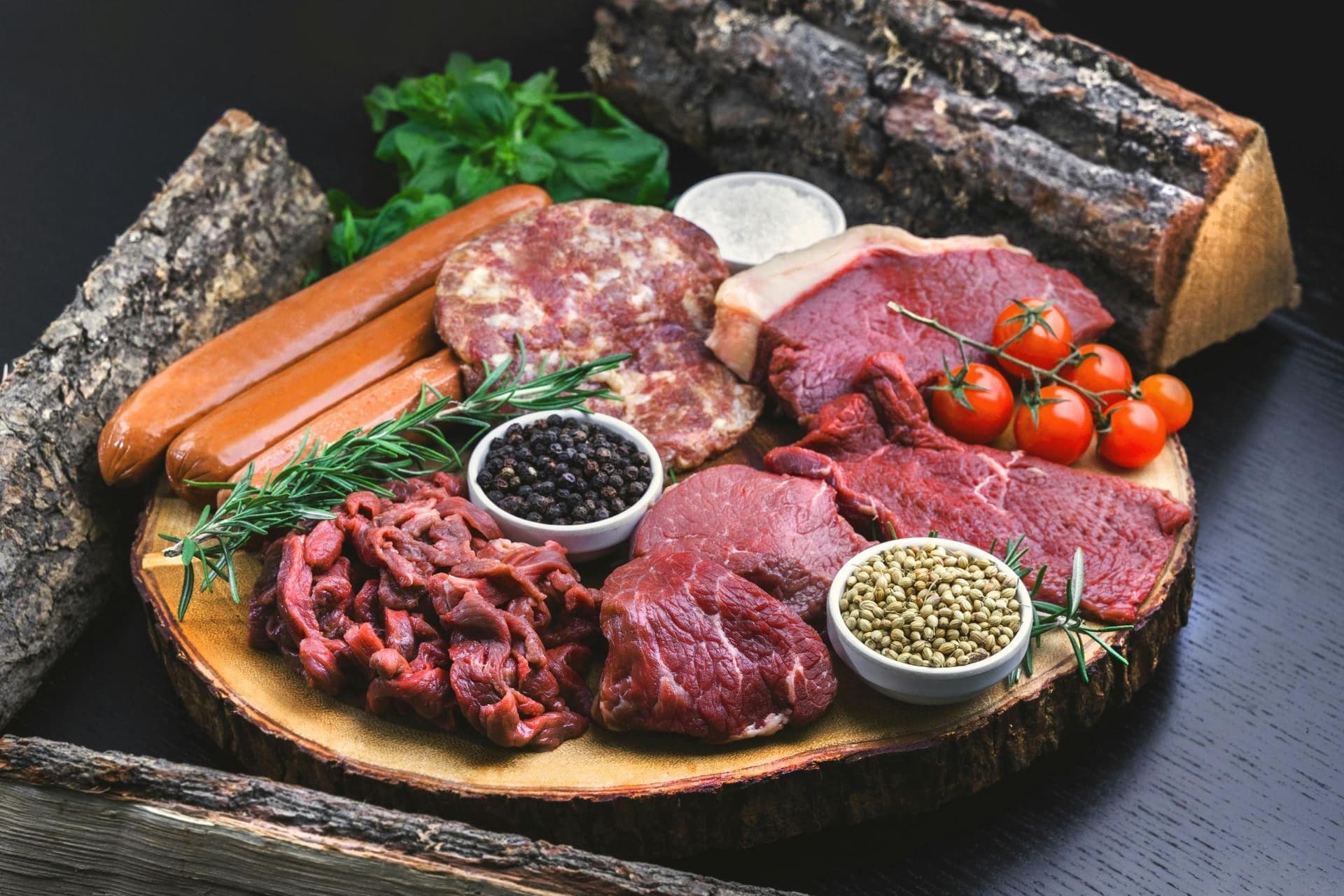
The carnivore diet meal plan focuses on consuming only meat, fish, eggs, and certain dairy products while completely eliminating plant-based foods. This diet is also called a "zero-carb" diet. The goal of this eating pattern is to return the body to its natural state where it burns fat as its primary energy source rather than glucose. By following a well-structured carnivore diet meal plan, many dieters claim to experience rapid weight loss, improved mental clarity, and stabilized blood sugar levels.
Understanding the Carnivore Diet
The diet is both high-protein and high-fat. By eliminating carbohydrates, including fruits, vegetables, grains, legumes, nuts, and seeds, the body enters a metabolic state called ketosis. In this state, the liver converts fatty acids into ketones, which fuel the body and brain.
While it is more restrictive than the ketogenic diet, which allows for some plant-based fats and non-starchy vegetables, the meat-only diet is considered the "most ketogenic" because it removes pretty much all plant-derived carbohydrates.
What to Eat: The Carnivore Diet Food List
A successful carnivore diet meal plan relies on variety within the animal kingdom to make sure your nutritional requirements are fulfilled.
- Red Meat (The Foundation): Beef is the backbone of the diet, specifically fatty cuts like ribeye, NY strip, brisket, and 80/20 ground beef. Ruminant meats like lamb, bison, and venison are also excellent choices.
- Poultry: Chicken thighs (skin-on), wings, turkey, and duck provide different fat profiles.
- Fish and Seafood: Wild-caught salmon, sardines, mackerel, and oysters are essential for Omega-3 fatty acids, which help balance the omega-6 intake from grain-fed meats.
- Eggs: Often called “nature’s multivitamin,” eggs are a cornerstone of the diet, with many practitioners consuming 3–6 per day.
- Organ Meats: Often described as “nutritional insurance,” liver, heart, and kidney provide critical vitamins like A and B12, as well as minerals like iron and copper.
- Animal Fats: Cooking should be done with tallow, lard, ghee, or butter rather than plant-based seed oils.
- Dairy (Optional): Many include hard cheeses (cheddar, parmesan), heavy cream, and butter, though those with lactose sensitivity may choose to avoid them.
A 7-Day Carnivore Diet Meal Plan
This plan focuses on satiety, nutrient density, and simple preparation to help you stay on track. One great way to organize this diet plan is using Meal Planner Pro which sorts out carnivore recipes and grocery lists for you!
| Day |
Breakfast |
Lunch |
Dinner |
| 1 |
4 eggs scrambled in butter with 4 strips of bacon |
Two 80/20 burger patties topped with cheese |
12 oz ribeye steak with a cup of beef bone broth |
| 2 |
Carnivore-friendly protein shake (water or broth) |
6 oz wild-caught salmon fillet with extra butter |
3–4 lamb chops with a side of 3 scrambled eggs |
| 3 |
8 oz NY strip steak and 3 eggs |
Ground beef bowl with melted cheddar cheese |
Organ Day: 3 oz beef liver fried in butter with a beef patty |
| 4 |
4 eggs fried in tallow with sugar-free pork sausage |
Rotisserie chicken thighs (skin-on) |
Pan-seared pork belly slices with bone broth |
| 5 |
Carnivore protein shake and 3 hard-boiled eggs |
1 tin of sardines and a handful of beef jerky |
16 oz smoked or slow-cooked beef brisket |
| 6 |
Classic steak and eggs |
Beef heart stew (prepared in a slow cooker) |
12 oz ribeye and 6 fresh oysters |
| 7 |
Pork belly and 4 eggs with bone broth |
Ground beef with cheese and bacon bits |
Whole roast chicken and leftover bone broth |
Creative Carnivore Recipes to Keep You Committed
Sticking to meat-only meals is easier when you move beyond basic frying. The following recipes utilize simple seasonings like salt and minimal herbs to enhance flavor:
- Scrambled Eggs with Bone Marrow: A high-fat, protein-packed dish where roasted marrow is folded into soft-set eggs.
- Blackened Ribeye: Press a mixture of sea salt and black pepper onto a steak and sear in a smoking-hot cast-iron skillet, finishing with a butter baste.
- Carnivore Meatballs: A blend of ground beef, ground pork, and eggs, seasoned with salt and pepper and baked until juicy.
- Carnivore Egg Pudding: A custard-style dish made by blending eggs, melted butter, and salt, then baking until set for a comforting finish.
- Salmon Patties: Combine canned salmon, crumbled turkey bacon, salt, and eggs; fry in butter until golden brown.
Tips for a Successful Carnivore Transition
- Prioritize Fat: One of the biggest mistakes is eating too much lean protein and not enough fat, which can lead to fatigue or “rabbit starvation”. Aim for 60–80% of your calories from fat.
- Salt Liberally: When you cut carbs, your body sheds water and electrolytes. You must salt your food heavily and consider a magnesium supplement to avoid headaches and fatigue.
- Eat Until Full: On a carnivore diet meal plan, you don’t need to count calories. Most people naturally shift to one or two meals a day because animal protein and fat are highly satiating.
- Budget Wisely: You don’t need expensive ribeyes every day. 80/20 ground beef, eggs, and chicken thighs are budget-friendly staples that provide excellent nutrition. Check out Meal Planner Pro for recipes tailored to your budget.
Benefits and Risks to Consider
Adopting a carnivore diet meal plan has been linked to several reported benefits, including rapid weight loss due to decreased insulin levels and high satiety. Some followers report significant improvements in autoimmune symptoms (like arthritis or psoriasis), better mood stability, and enhanced digestive health once the adaptation period ends.
However, the diet is not without risks. Because it excludes all plant foods, it is very low in fiber, which may cause temporary digestive changes like diarrhea or constipation. There are also concerns regarding long-term nutrient deficiencies (such as Vitamin C or folate) and the impact of high saturated fat on LDL cholesterol for certain individuals. It is highly recommended to consult a healthcare professional before starting a carnivore diet meal plan, especially for those with kidney disease, diabetes, or who are pregnant.
General information, not medical advice. Talk to your doctor or a registered dietitian before making big changes to your diet, especially if you have a health condition.
Our editorial policy