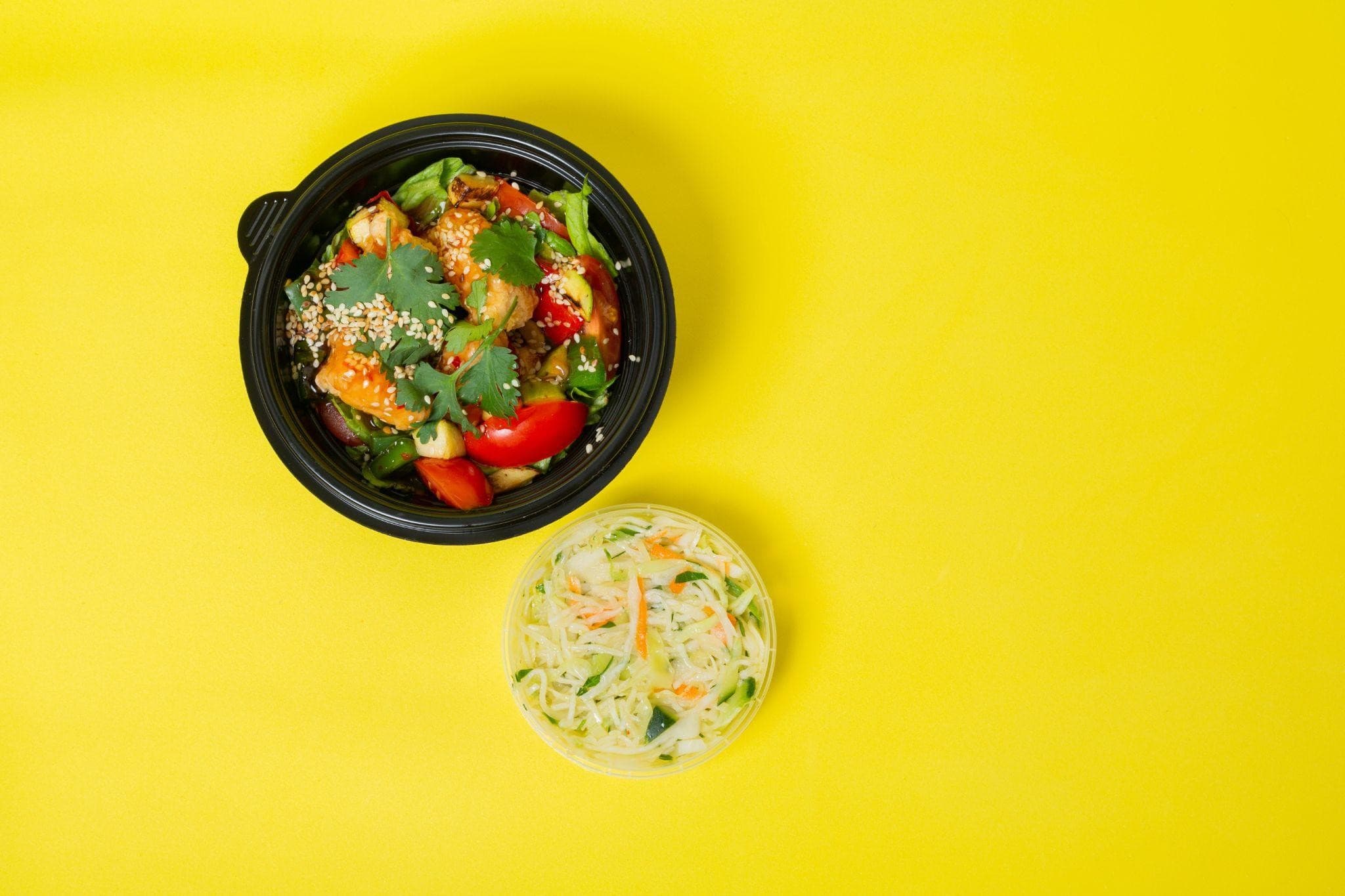
A 1,500 kcal plan is widely considered the “sweet spot” for weight loss, particularly for female clients and smaller males aiming for a steady fat loss of approximately 0.5 kg (1 lb) per week. This caloric level provides a meaningful energy deficit for most people without the downsides of aggressive restriction, allowing for three filling meals and enough protein to preserve muscle mass.
Understanding the Science of the 1,500 Calorie Plan
Weight loss is fundamentally driven by a calorie deficit, where you consume fewer calories than your body uses. To determine if a 1,500 kcal plan is right for you, it is necessary to calculate your Total Daily Energy Expenditure (TDEE) using formulas like the Mifflin-St. Jeor equation, which accounts for your age, sex, height, weight, and activity level.
Typically, a reduction of 500 calories per day from your TDEE is recommended to lose about one pound per week. For a woman with a TDEE of 2,000, a 1,500 kcal plan creates this ideal deficit. However, experts warn against dropping below 1,200 calories per day, as it is often too low to meet basic nutritional needs and is unsustainable for long-term health.
The Secret to Adherence: Batch-Cooking Cycles
One of the primary reasons people fail on a 1,500 kcal plan is “decision fatigue”, the burden of cooking a new recipe every night. Modern plans often use batch-cooking cycles to reduce friction.
- Cycle A (Days 1–3): Focus on higher protein to protect muscle early in the week. Examples include coconut curry white fish or light fish blanquette.
- Cycle B (Days 4–5): Often vegetarian-leaning with higher fats for satiety, such as poached eggs with herb skyr or corn-avocado salad.
- Cycle C (Days 6–7): Higher carbohydrate counts to fuel weekend activity, featuring meals like creamy curry pasta with ground beef.
Building out batch-cooking cycles like these from scratch takes real planning effort. Meal Planner Pro can generate a full 1,500 kcal weekly menu for you automatically, complete with grocery lists and recipes designed around your exact calorie and protein targets.
What to Eat: Prioritizing Nutrients for Satiety
To feel energized and satisfied while eating fewer calories, your plan should prioritize high-protein and high-fiber foods.
- Protein Goals: Aim for at least 53g to 103g of protein daily. Protein is the most filling macronutrient and helps maximize muscle protein synthesis.
- Fiber Targets: Aim for at least 36g of fiber per day from sources like non-starchy vegetables, beans, and whole grains.
- Whole Foods Focus: Build your plate with non-starchy vegetables (kale, broccoli, peppers), lean proteins (fish, poultry, tofu), and healthy fats (avocados, nuts).
- Foods to Limit: Minimize refined carbs (white bread, sugary cereals), added sugars, and highly processed “diet” or “low-fat” snacks that may contain hidden sugars.
Sample 7-Day 1,500 kcal Menu
This sample menu combines diverse nutritional approaches to keep meals interesting:
- Day 1: Breakfast: Egg and avocado toast; Lunch: Salad with grilled chicken and chickpeas; Dinner: Baked cod with quinoa and roasted broccoli.
- Day 2: Breakfast: Baked banana-nut oatmeal cups; Lunch: Chipotle-lime cauliflower taco bowls; Dinner: Zucchini-chickpea veggie burgers.
- Day 3: Breakfast: Bircher muesli; Lunch: Wholemeal bread with cheddar and tomato; Dinner: Chilli con carne with cauliflower pilaf.
- Day 4: Breakfast: Muesli with raspberries and banana; Lunch: Cauliflower taco bowls; Dinner: Chicken and cucumber lettuce wraps with peanut sauce.
- Day 5: Breakfast: Breakfast smoothie with pea protein and blackberries; Lunch: Kale salad with grilled chicken and lentils; Dinner: Shrimp fajitas with corn tortillas.
- Day 6: Breakfast: Cinnamon semolina pudding; Lunch: Chicken and fresh vegetable salad; Dinner: Creamy curry pasta with ground beef.
- Day 7: Breakfast: “Egg in a hole” peppers with avocado salsa; Lunch: Curried sweet potato and peanut soup; Dinner: Spinach and artichoke dip pasta.
Essential Shopping and Prep Tips
- Use a Grocery List: Research shows that shoppers with a list stick to their plans twice as long as those who don’t.
- Stock Pantry Staples: Keep extra-virgin olive oil, balsamic vinegar, natural peanut butter, and a variety of spices (cumin, paprika, turmeric) on hand to add flavor without excessive calories.
- Smart Snacking: If your meals are roughly 500 calories each, you may not need snacks. However, if you feel hungry, opt for nutrient-dense options like a medium apple with 1 tbsp peanut butter (~200 calories) or a hard-boiled egg (~78 calories).
If you want your grocery list built for you automatically instead of writing it out by hand, Meal Planner Pro generates a complete shopping list based on your 1,500 kcal plan, so you only buy what you actually need.
Safety and Long-Term Success
Before making significant changes to your diet, especially if you have a medical condition like diabetes or take medications like insulin, consult your healthcare team. Rapid changes in carbohydrate intake or body weight may require medication adjustments to avoid risks like hypoglycemia.
Finally, remember that sustainable weight loss is gradual. Aiming for 1 to 2 pounds per week is a realistic, healthy target. Don’t obsess over the scale; instead, track your progress through body measurements and how your energy levels improve as you fuel your body with whole, nutritious foods.