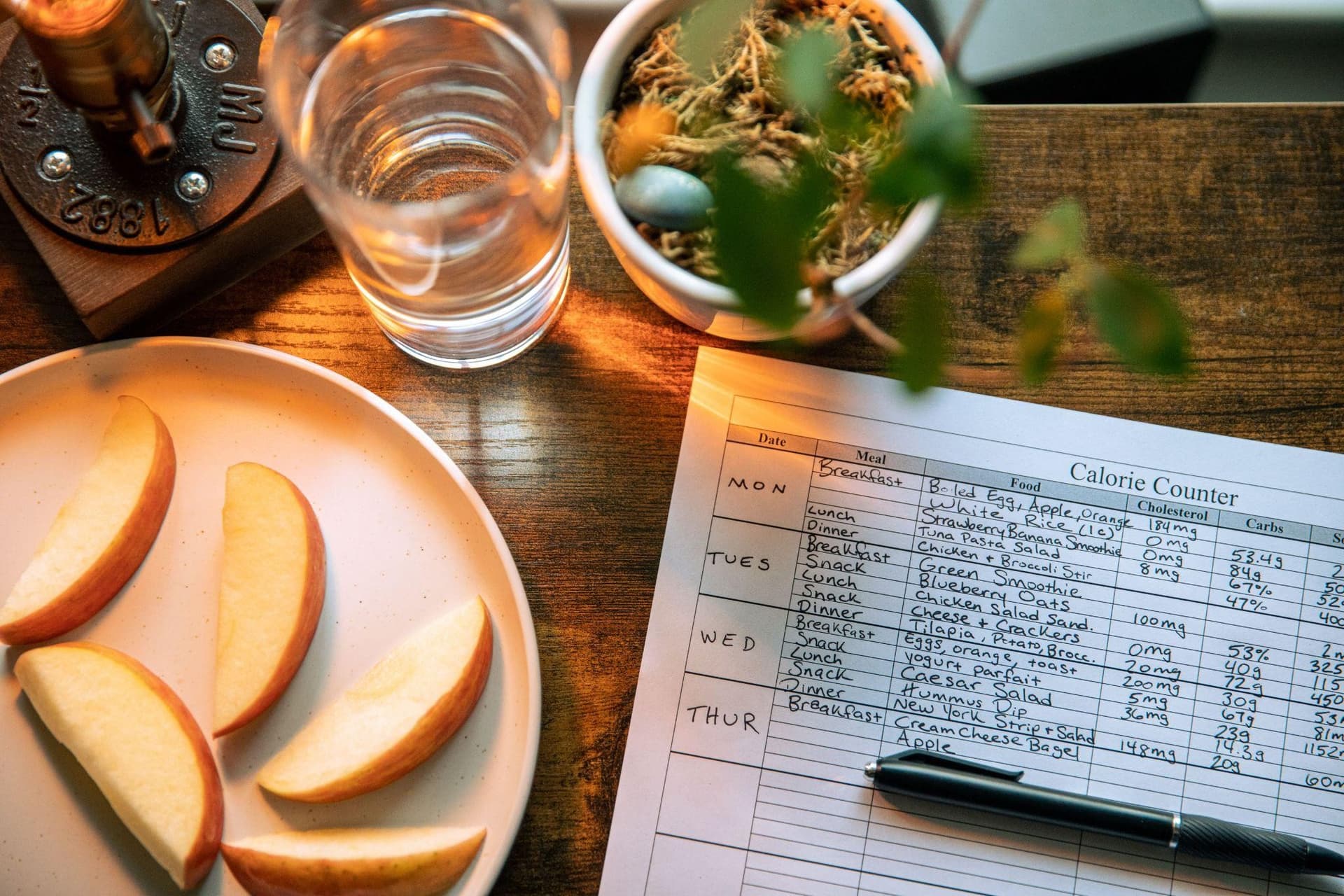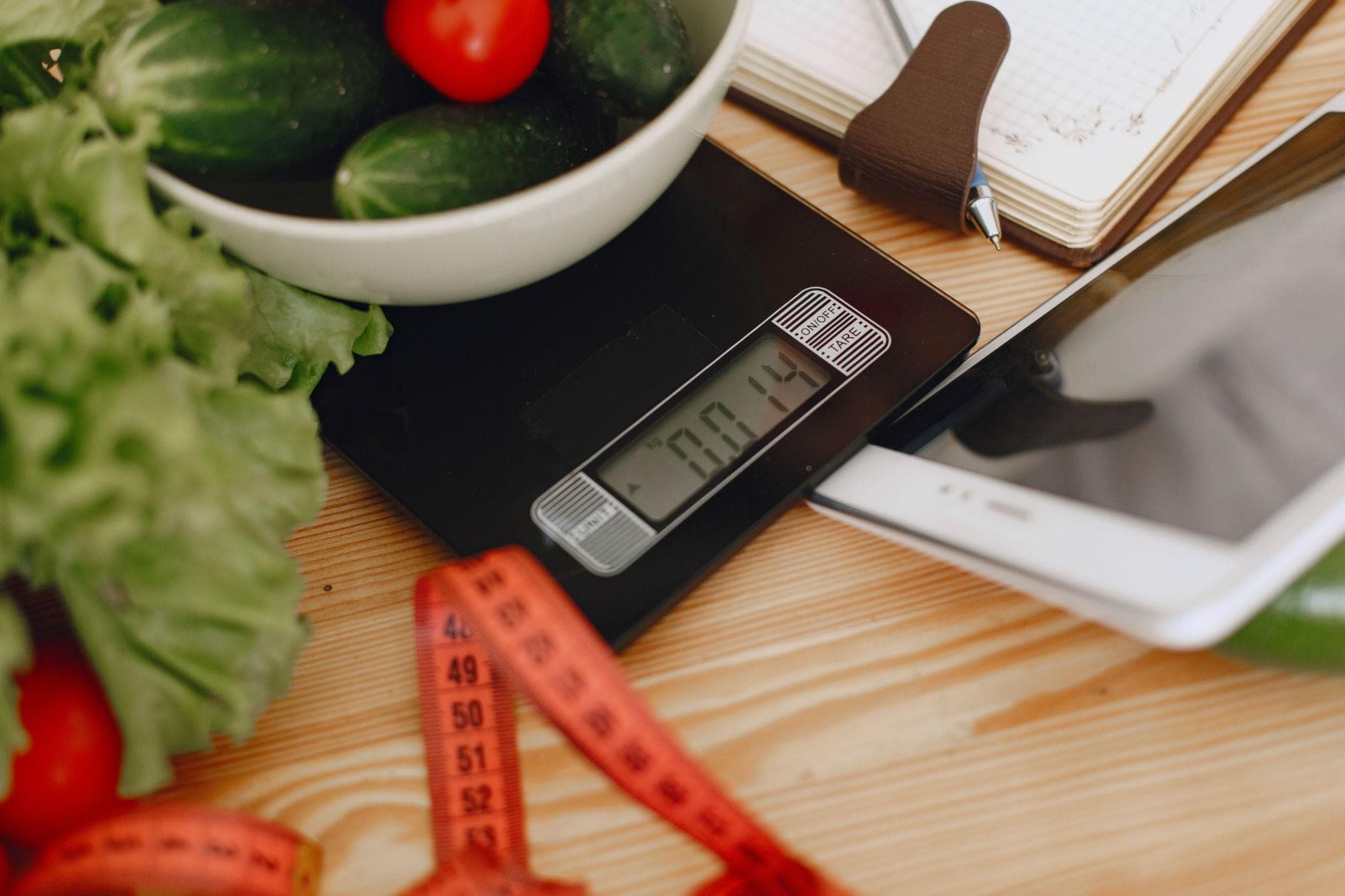
A calorie deficit occurs when you burn more calories through daily activity and bodily functions than you consume through food and drink. This state forces the body to utilize stored energy, primarily fat, resulting in weight loss. To create a sustainable calorie deficit diet plan, it is generally recommended to aim for a deficit of approximately 500 calories per day, which typically leads to a safe weight loss of about one pound per week.
Calculating Your Calorie Needs
Before starting a plan, you must determine your Total Daily Energy Expenditure (TDEE)—the total number of calories you burn each day. One standard method is the Mifflin-St. Jeor equation, which factors in height, weight, age, and sex:
- Males: Calories/day = 10 × (weight in kg) + 6.25 × (height in cm) − 5 × (age) + 5
- Females: Calories/day = 10 × (weight in kg) + 6.25 × (height in cm) − 5 × (age) − 161
Once you calculate this base number, multiply it by an activity factor (ranging from 1.2 for sedentary individuals to 1.9 for those who are extra active). Subtracting 500 calories from this final TDEE provides your daily intake goal for steady weight loss.
But if you want it the easy way, tools like Meal Planner Pro instantly calculate your TDEE and create a ready-to-follow calorie deficit diet plan tailored to your age, weight, height, gender, and activity level — no manual math required.
Core Components of the Diet Plan
A successful diet plan should revolve around minimally processed, whole foods that are high in fiber and protein to promote fullness.
Foods to Prioritize:
- Proteins: Lean meats (chicken, turkey, beef), fish, shellfish, eggs, and plant-based sources like tofu or lentils.
- Produce: Non-starchy vegetables (kale, broccoli, peppers, mushrooms) and whole fruits (berries, apples, citrus).
- Whole Grains and Healthy Fats: Oats, brown rice, quinoa, avocados, and olive oil.
Foods to Avoid:
- Sugar-Sweetened Beverages: Soda, energy drinks, and even fruit juices, which are high in calories but low in satiety.
- Refined Carbs and Processed Foods: White bread, sugary cereals, fast food, and fried items like doughnuts or potato chips.
- "Diet" Snacks: Processed low-fat or diet snacks often contain added sugars that can hinder weight loss.