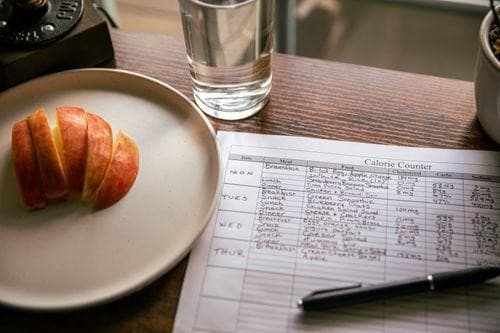
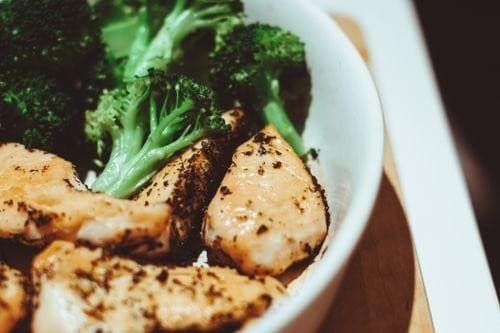
A 2000 calorie meal plan is widely considered the standard for most adults because it is generally adequate to meet a person's average energy and nutrient requirements. Because it is so common, the FDA and the 2020–2025 Dietary Guidelines use this specific number as a benchmark to determine daily values for various nutrients found on Nutrition Facts labels. While individual needs vary based on age, gender, weight, height, and activity level, this caloric target provides a reliable framework for healthy eating and weight management. Meal Planner Pro makes it simple to build and track a 2000 calorie meal plan tailored to your specific age, gender, and activity level.
Customizing the Plan to Your Needs
While a 2000 calorie meal plan serves as a baseline, "standard" does not mean "one-size-fits-all". Calorie needs differ drastically depending on a person's lifestyle; for example, adult women typically require between 1,600 and 2,400 calories per day, whereas adult men may need 2,000 to 3,000 calories. Individuals in periods of growth, such as teenagers or pregnant women, often require more than the standard amount.
If your goal is weight management, you can use a simple calculation to determine if this plan is right for you:
- Maintenance: To estimate the calories needed to stay at your current weight, multiply your weight in pounds by 12.
- Weight Loss: To lose approximately one pound per week, you typically need to cut 500 calories from your daily maintenance total.
- Weight Gain: If your current energy expenditure exceeds 2,000 calories, following this plan could result in a calorie deficit and subsequent weight loss.
Core Components of a Balanced 2000 Calorie Meal Plan
A health-focused 2000 calorie meal plan should prioritize whole, unprocessed foods over "empty calories" that provide little nutritional value. To meet the recommendations of the Dietary Guidelines for Americans, your daily intake should be distributed across several key food groups:
- Protein Foods (3 to 4 servings): Include lean meats like poultry, fish, eggs, beans, lentils, nuts, seeds, and tofu.
- Dairy (3 servings): Focus on milk, yogurt, and cheese with little or no added sugars, or fortified nondairy alternatives like soy milk.
- Vegetables (3 servings): Eat a variety of colorful options, including dark green, red, and orange vegetables.
- Fruits (2 servings): Choose whole fresh, frozen, or canned fruits packed in water rather than syrup, and limit fruit juice.
- Whole Grains (2 to 4 servings): Prioritize whole-grain bread, pasta, brown rice, and oats over refined grains.
- Healthy Fats (4.5 servings): Opt for unsaturated fats like olive or canola oil instead of butter or coconut oil.
Managing Nutritional Limits
An effective 2000 calorie meal plan is about more than just the total calorie count; it must also manage specific nutrient limits to support heart health and metabolic function.
- Saturated Fats: Should be limited to no more than 10% of total calories, which equals approximately 20 grams for this plan.
- Added Sugars: These should be limited to less than 10% of total calories, or roughly less than 10 grams per meal.
- Sodium: Daily intake should remain below 2,300 milligrams.
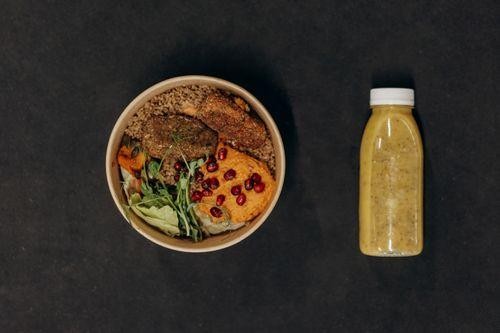
Sample Daily Structure and Meal Ideas
In a typical 2000 calorie meal plan, you can structure your day into three main meals of approximately 500 calories each, supplemented by two to three snacks of about 250 calories each.
Breakfast Options
- Vegetable Omelet: Two eggs with spinach, mushrooms, and broccoli, served with sautéed sweet potatoes.
- Nut Butter Toast: Two slices of whole-grain toast topped with almond butter, a sliced banana, and cinnamon.
- Berry Yogurt Parfait: 7 ounces of plain Greek yogurt layered with fresh blueberries, strawberries, and a quarter-cup of granola.
Lunch Options
- Mediterranean Tuna Pita: A whole-wheat pita stuffed with 5 ounces of canned tuna, onion, celery, avocado, and feta cheese.
- Black Bean & Sweet Potato Burrito: A whole-wheat tortilla filled with brown rice, sweet potatoes, black beans, and salsa.
- Quinoa & Grilled Chicken: Half a cup of cooked quinoa paired with 5 ounces of grilled chicken and mixed non-starchy vegetables.
Dinner Options
- Salmon with Wild Rice: 5 ounces of baked salmon served with half a cup of wild rice, roasted asparagus, and eggplant.
- Chicken & Broccoli Stir-Fry: 5 ounces of chicken stir-fried with two cups of broccoli, garlic, ginger, and soy sauce, served over brown rice.
- Fish Tacos: Three corn tortillas with 6 ounces of grilled cod, half an avocado, and fresh pico de gallo.
Snack Ideas: To maintain energy levels and satiety, include a mix of protein and carbohydrates in your snacks. Examples include an apple with peanut butter, cheese and grapes, hummus with raw vegetables, or dark chocolate with a handful of almonds.
The Benefits of Home Preparation
While it is possible to follow a 2000 calorie meal plan while dining out, preparing meals at home using fresh ingredients makes it significantly easier to control portion sizes and make healthier choices. By focusing on nutrient-dense whole foods and staying within recommended limits for sodium and sugar, this plan can serve as a sustainable foundation for long-term health. With Meal Planner Pro, you can plan your full week, generate a grocery list, and monitor your sodium and sugar limits… all in one place!