Back to Blog
Health & Nutrition

The Heart Healthy Diet Plan Cardiologists Actually Recommend

Learn the core components of a heart-healthy diet plan including vegetable, fruit, whole grain, healthy fat and sodium reduction targets.

MP

Meal Planner Pro

Nutrition Team

June 23, 2026
6 min read
The Heart Healthy Diet Plan Cardiologists Actually Recommend

A heart-healthy eating pattern is based on a combination of foods chosen regularly over time, focusing on whole, minimally processed ingredients while remaining low in unhealthy fats, salt, and added sugars. Following this type of dietary pattern helps protect the heart and reduces the risk of heart disease by managing factors like high blood pressure and high cholesterol. Meal Planner Pro makes following a heart-healthy diet plan simple and sustainable. It generates personalized daily and weekly menus based on cardiologist-recommended principles and calculates calories and macros.

Core Components of a Heart-Healthy Eating Plan

To build a balanced plan, experts recommend a five-step approach focused on nutrient-dense food groups:

  1. Prioritize Vegetables, Fruits, and Whole Grains: You should consume a wide variety of colorful produce and whole grains like oats, brown rice, wholemeal pasta, and grainy bread. These foods are rich in fiber, vitamins, minerals, and antioxidants, which are shown to reduce heart disease risk.
  2. Diversify Your Protein Sources: The best options include plant-based proteins (legumes, nuts, and seeds) and seafood. Lean poultry and eggs can be included in smaller amounts, but lean red meat should be limited to one to three times per week.
  3. Select Healthy Fats: Incorporate healthy fats from avocados, olives, nuts, and seeds. When cooking, use liquid plant oils such as olive, canola, sunflower, or peanut oil instead of saturated fats like butter or coconut oil. Regularly eating fish—ideally two to three times per week—provides omega-3 fats that help lower triglycerides.
  4. Choose Low-Fat, Unflavoured Dairy: Milk, yogurt, and cheese are important sources of calcium and protein. For those with heart disease or high cholesterol, reduced-fat or fat-free varieties are recommended, while those without these conditions can choose between reduced or full-fat options.
  5. Reduce Sodium and Sugar: Use herbs and spices for flavor rather than salt, as excess salt intake is a major contributor to high blood pressure. It is also critical to minimize added sugars from both beverages and food products.

Tools like Meal Planner Pro help you turn these guidelines into a ready-to-follow heart-healthy meal plan with built-in recipe suggestions, shopping lists, and automatic nutrient tracking.
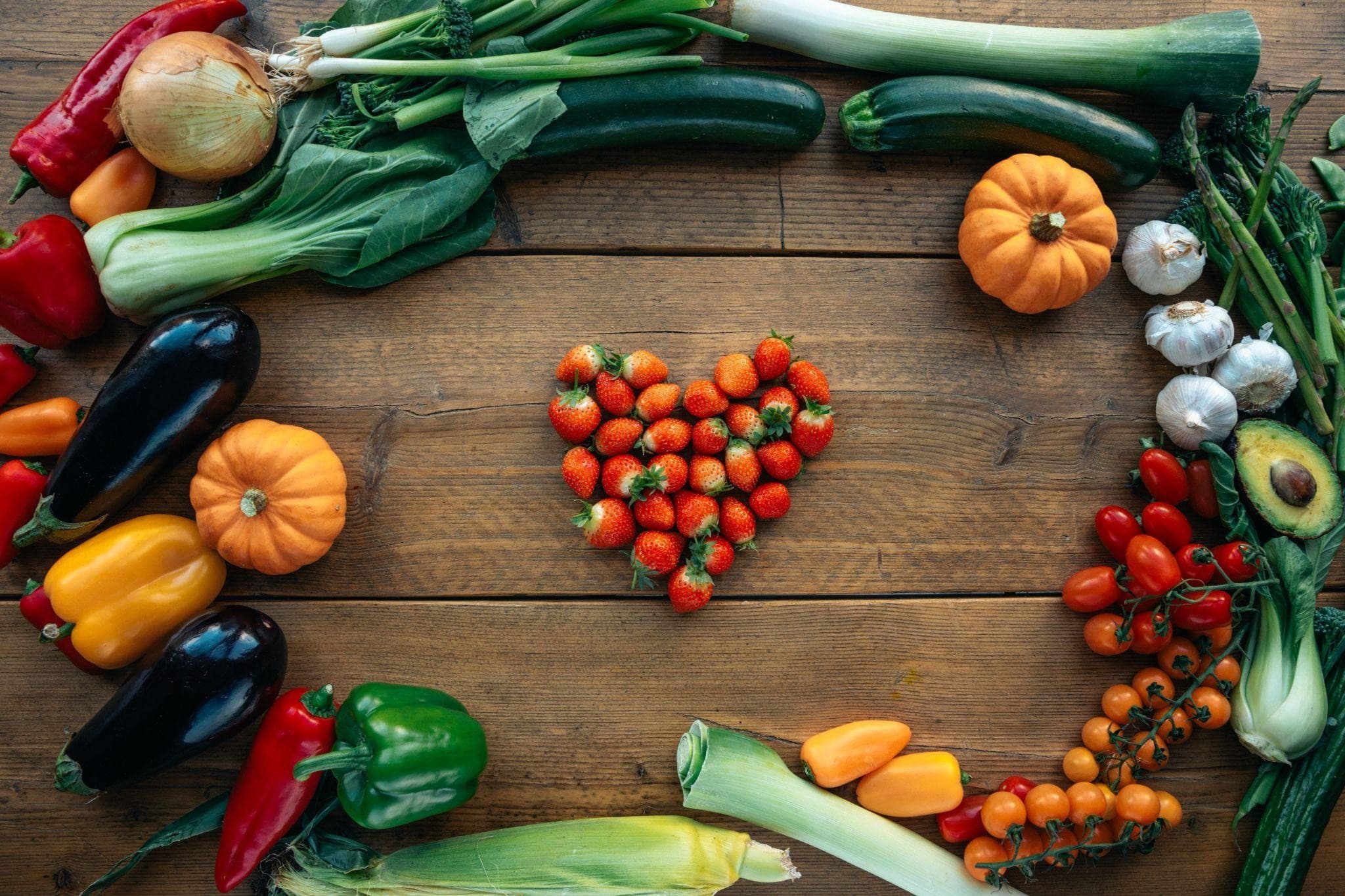
Heart healthy foods including fresh produce and olive oil

Portion Sizes and the "Balanced Plate"

A simple way to manage portions is to visualize your plate during meals. Aim to fill half of your plate with vegetables or salad, one-quarter with healthy protein, and one-quarter with carbohydrates like potatoes, corn, or whole grains. While portion size matters, the overall quality of the food—specifically choosing whole foods over ultra-processed options like sausages, biscuits, and sugary drinks—is paramount.

Sample Heart-Healthy Daily Menus

Practical application of these principles can be seen in structured meal plans, which often target approximately 1,500 to 1,600 calories per day:

Meal Day 1 Example Day 2 Example
Breakfast 1 cup cooked oatmeal with walnuts and cinnamon, one banana, and skim milk. 1 cup low-fat yogurt with 3/4 cup blueberries and calcium-fortified orange juice.
Lunch Low-fat plain yogurt with flaxseed, canned peaches, Melba toast, and raw broccoli/cauliflower. Whole-wheat pita stuffed with romaine lettuce, tomatoes, cucumbers, feta cheese, and reduced-fat dressing.
Dinner 4 oz. baked salmon with green beans, toasted almonds, and a mixed green salad with sunflower seeds. 3 oz. chicken stir-fry with eggplant and basil, served with 1 cup brown rice.
Snacks Skim milk with raisins/dried fruit and a small serving of dark chocolate chips. 2 tbsp. mixed unsalted nuts and 1 cup fat-free frozen yogurt.

Lifestyle Recommendations for Cardiovascular Health

A heart-healthy diet is most effective when paired with other healthy habits:

  1. Energy Balance: Match your calorie intake to your physical activity level to maintain a healthy weight.
  2. Physical Activity: Aim for at least 150 minutes of moderate-intensity activity or 75 minutes of vigorous activity each week, ideally spread across several days.
  3. Limit Alcohol: For heart health, it is recommended not to start drinking alcohol; if you do drink, intake should be strictly limited.
  4. Label Reading: When shopping, read Nutrition Facts labels to identify products with lower sodium, added sugars, and saturated fats. Look for certification marks, such as the Heart-Check mark, to find verified heart-healthy options.
#Nutrition#Healthy Eating#Meal Planning#Lifestyle