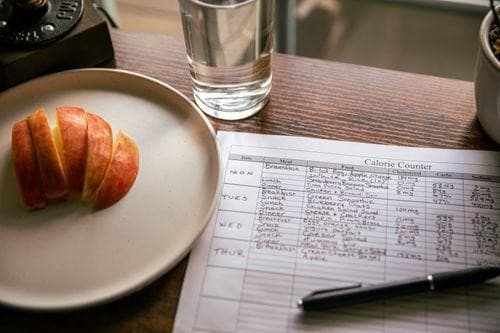
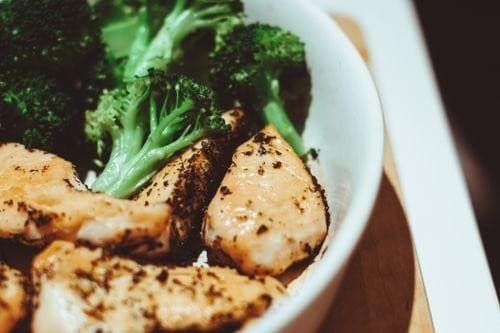
Finding the right caloric balance is essential for sustainable health, and an 1800 calorie meal plan is often cited as a highly effective “sweet spot” for many individuals. This energy level is particularly well-suited for men seeking gradual weight loss and women with higher activity levels or larger body frames. By focusing on nutrient density rather than just restriction, this plan helps you feel energized and satisfied while losing a safe and realistic 1 to 2 pounds per week.
The Science of the 1,800 Calorie Target
Weight loss is driven by a calorie deficit, but cutting too deep can be counterproductive. An 1,800 calorie target provides enough fuel to support metabolic health and physical activity without the extreme hunger associated with lower-calorie diets.
Experts suggest that while the guideline daily amount for women is typically 2,000 calories and 2,500 for men, dropping to 1,800 calories allows for gradual, sustainable weight loss for men, whereas for some women, it might be closer to a maintenance level depending on their Total Daily Energy Expenditure (TDEE). Even a small amount of weight loss, around 5% of body weight, can lead to significant health improvements, especially for those managing conditions like type 2 diabetes.
Core Nutritional Principles for Success
To make the most of an 1,800 calorie limit, your meals should prioritize three main pillars:
- Prioritize Protein: Aim for at least 60 to 75 grams of protein daily, though some active adults may benefit from up to 120 grams. High-protein foods like fish, poultry, eggs, and legumes support muscle preservation and increase satiety.
- Focus on Fiber: Most adults do not consume enough fiber. This plan encourages a minimum of 25 to 38 grams of fiber per day (depending on sex) to support gut health and keep you full longer. Excellent sources include raspberries, oats, beans, and whole-wheat pasta.
- Healthy Fats and Non-Starchy Veggies: Aim for 4 or more servings of non-starchy vegetables (like broccoli, spinach, and peppers) and 2 to 6 servings of healthy fats (such as olive oil, avocado, and nuts) daily to ensure a balanced micronutrient profile.
Hitting these protein, fiber, and fat targets every day takes some juggling. Meal Planner Pro builds a complete 1,800 calorie weekly menu around your exact macro goals, so the math is already done for you.
Sample 7-Day 1800 Calorie Meal Plan
This sample menu draws from expert-designed plans to provide variety and balanced nutrition across the week.
Day 1
- Breakfast: Apple and cinnamon porridge made in a microwave mug.
- Lunch: Veggie and hummus sandwich served with 1 oz. of cheddar cheese.
- Dinner: Tray-baked salmon and vegetables served with cooked brown rice.
- Snacks: 30g plain almonds and a portion of spicy roasted chickpeas.
Day 2
- Breakfast: Two baked banana-nut oatmeal cups with two clementines.
- Lunch: Chipotle-lime cauliflower taco bowls with a medium apple.
- Dinner: Zucchini-chickpea veggie burgers with tahini-ranch sauce and oven-baked sweet potato fries.
- Snacks: One medium banana and 15 roasted unsalted almonds.
Day 3
- Breakfast: Two poached eggs served with two slices of rye bread and a vegetable-oil-based spread.
- Lunch: Chilli bean soup topped with avocado salsa and a sprinkle of cheddar cheese.
- Dinner: Chicken and lentil curry.
- Snacks: Greek yogurt with pumpkin seeds and a medium banana.
Day 4
- Breakfast: A breakfast smoothie made with 1 cup of 2% milk, a banana, strawberries, and Greek yogurt.
- Lunch: Tuna salad made with 3 oz. of canned tuna and 2 tbsp of Greek yogurt, served with carrot sticks, bell pepper slices, and 9 whole-wheat crackers.
- Dinner: 4 oz. of ground beef tacos with tomato salsa, shredded cheddar, and canned corn.
- Snacks: One mozzarella cheese stick and 4 cups of air-popped popcorn.
Day 5
- Breakfast: Two wheat biscuits with 200ml semi-skimmed milk and a medium banana.
- Lunch: Chicken salad sandwich on wholemeal bread served with savoury popcorn.
- Dinner: Bubble and squeak served with peas.
- Snacks: One apple and three squares of dark chocolate.
Day 6
- Breakfast: Spinach and cheddar pancakes made with wholemeal flour.
- Lunch: Smoked mackerel on a wholemeal pitta with Greek yogurt, watercress, and cherry tomatoes.
- Dinner: Bang bang chicken salad.
- Snacks: Two oatcakes with smooth peanut butter and a slice of malt loaf.
Day 7
- Breakfast: 3 scrambled eggs with 2 tbsp of shredded cheddar, a slice of whole-wheat bread, and half an avocado.
- Lunch: Hummus and cheddar sandwich on whole-wheat bread with cucumber slices and a small apple.
- Dinner: Minced beef and vegetable filo pie served with broccoli, cabbage, and new potatoes.
- Snacks: 1 oz. of dry roasted almonds and a small portion of raisins.
Tips for Staying on Track
- Hydration is Key: Aim for 2 to 3 liters of fluid per day, focusing on water, plain milk, or unsweetened tea and coffee.
- Flavor Without Calories: Enhance your meals using fresh herbs (basil, mint, cilantro), spices (garlic powder, cumin), or a squeeze of lemon and lime instead of heavy sauces.
- Meal Prep and Batch Cooking: Many recipes in this plan can be made in bulk and frozen for later, which helps reduce waste and ensures you always have a healthy option available.
- Listen to Your Body: Calorie totals are estimates. If you are consistently hungry, consider bumping up your intake slightly or choosing more high-volume, low-calorie foods like non-starchy vegetables.
If you want a done-for-you version of this 1,800 calorie plan, tailored to your own taste and schedule, Meal Planner Pro generates your weekly menu and grocery list automatically, so meal prep and batch cooking take less guesswork.
Safety and Considerations
Before starting an 1800 calorie meal plan, it is important to consult with your healthcare team, particularly if you have diabetes or are pregnant. For those on insulin or other medications that increase the risk of hypoglycemia (low blood sugar), reducing carbohydrate intake or losing weight may require medical adjustments to your treatment plan. Additionally, pregnant or breastfeeding individuals should be mindful of mercury levels in certain fish and vary their protein sources accordingly.