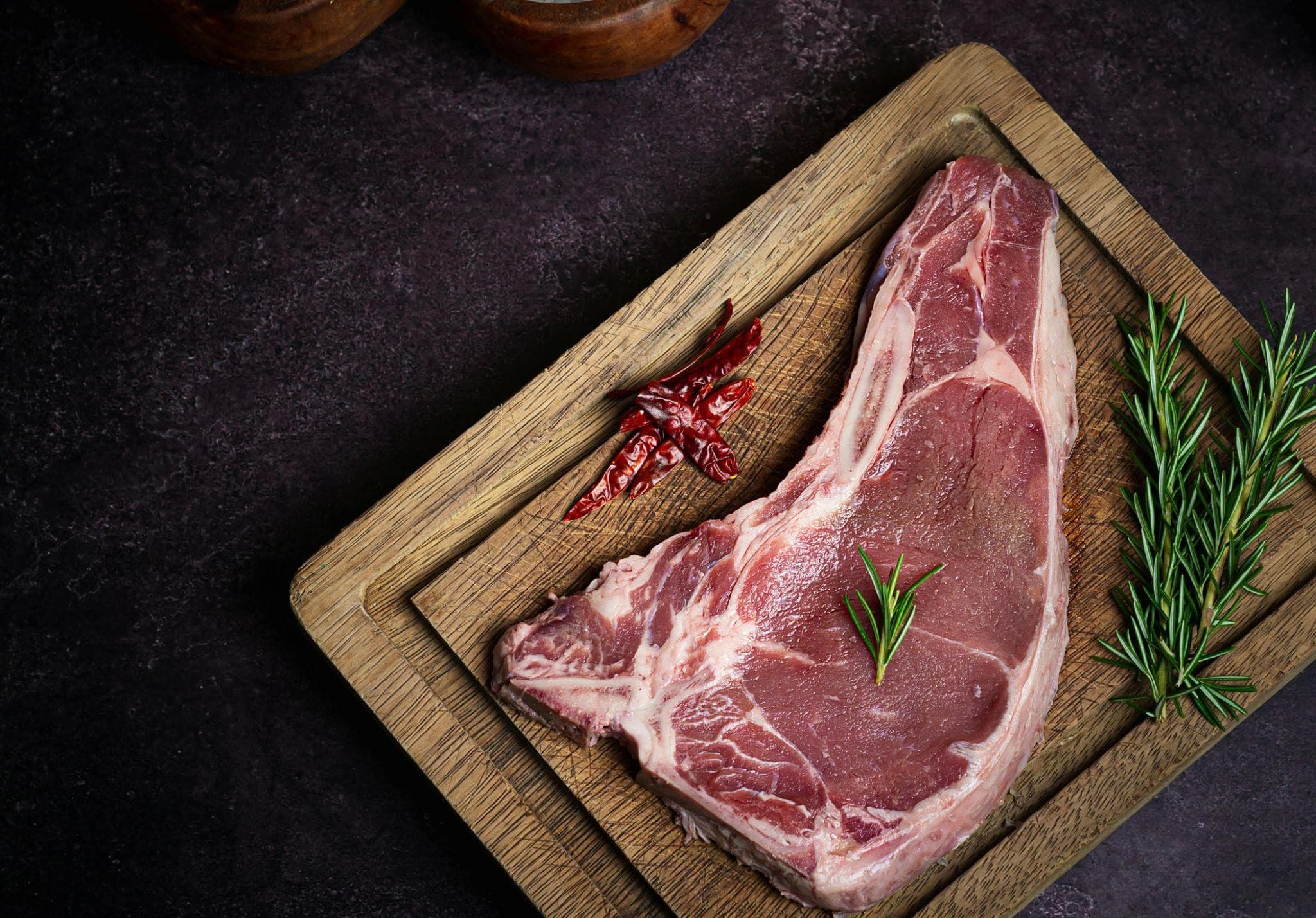
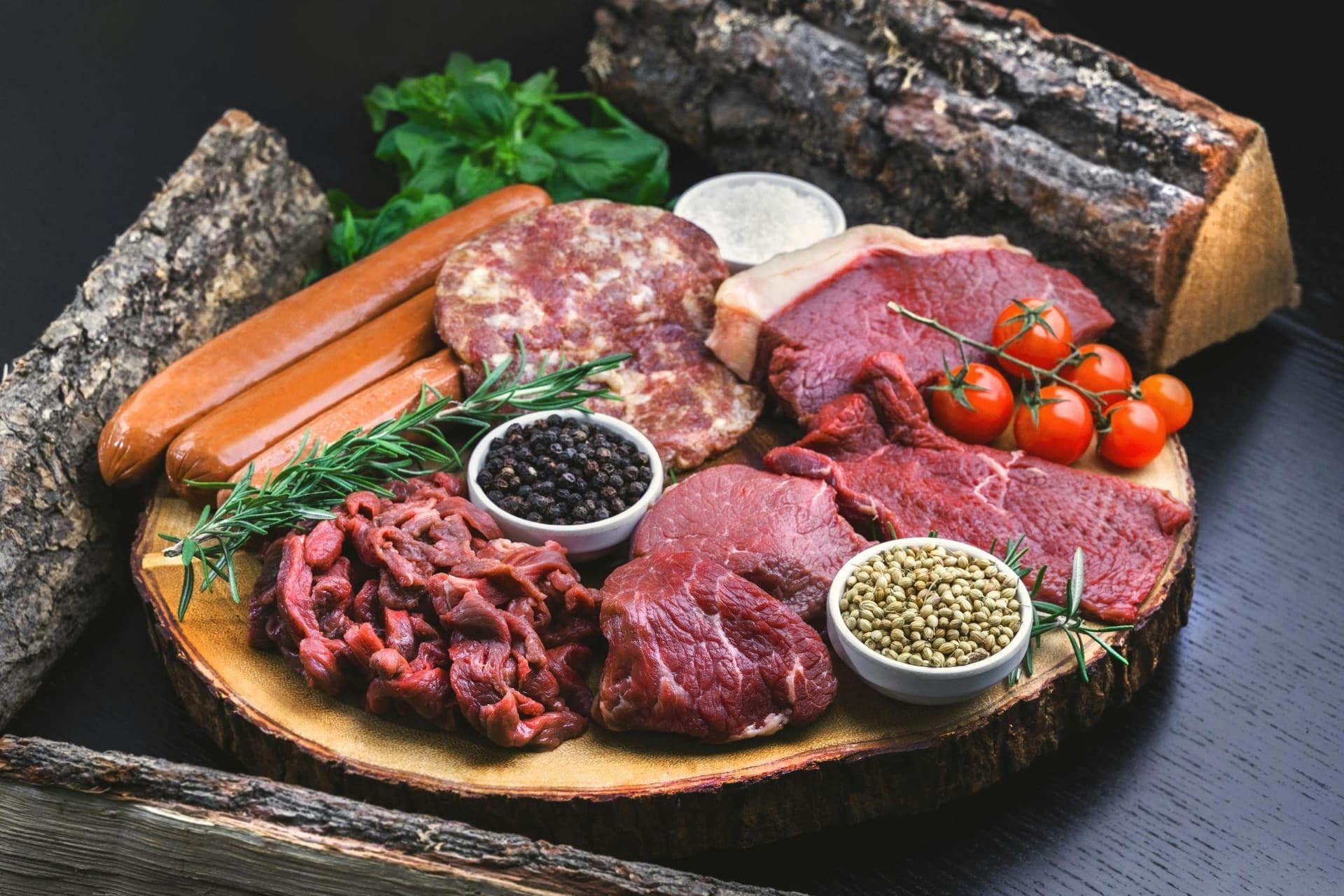
In 2026, the carnivore diet, often called the “zero-carb” or “all-meat diet,” has become a leading strategy for individuals seeking to simplify their nutrition, accelerate weight loss, and reduce systemic inflammation. By eliminating all plant-based foods and focusing exclusively on animal products, this approach shifts the body’s metabolism to burn fat for fuel rather than glucose.
Crafting a sustainable carnivore diet menu requires more than just eating steak; it involves a “nose-to-tail” philosophy that incorporates a variety of meats, organ meats, and healthy animal fats to ensure nutritional adequacy.
Core Components of a Carnivore Diet Menu
To succeed on this plan, your daily meals should be built around high-quality animal proteins. While beef is often considered the foundation due to its rich nutrient profile, a well-rounded menu includes a variety of sources:
- Ruminant Meats: Beef (ribeye, NY strip, ground beef, brisket), lamb, bison, and venison.
- Poultry and Pork: Chicken thighs (skin-on), wings, pork belly, bacon, and pork chops.
- Fish and Seafood: Salmon, sardines, mackerel, shrimp, oysters, and scallops.
- Eggs: A nutritional cornerstone, often consumed in quantities of 3–6 per day.
- Organ Meats: Essential “nutritional insurance” like liver, heart, kidney, and tongue.
- Animal Fats: Tallow, lard, duck fat, butter, and ghee, used for both cooking and reaching energy targets.
Planning a nose-to-tail rotation that hits the right fat-to-protein ratio takes some trial and error. Meal Planner Pro lets you set high-protein, low-carb targets and builds a personalized weekly menu and grocery list around them, so variety and macros are handled for you.
Sample 7-Day Carnivore Diet Menu
This sample menu provides a mix of diverse proteins to prevent “diet fatigue” and ensure you are getting a range of micronutrients.
| Day |
Breakfast |
Lunch |
Dinner |
| 1 |
4 eggs scrambled in butter with 4 strips of bacon |
Two 80/20 burger patties topped with cheese |
12 oz ribeye steak with a cup of beef bone broth |
| 2 |
Carnivore-friendly protein shake (water or broth) |
6 oz wild-caught salmon fillet with extra butter |
3–4 lamb chops with a side of 3 scrambled eggs |
| 3 |
8 oz NY strip steak and 3 eggs |
Ground beef bowl with melted cheddar cheese |
Organ Day: 3 oz beef liver fried in butter with a beef patty |
| 4 |
4 eggs fried in tallow with sugar-free pork sausage |
Rotisserie chicken thighs (skin-on) |
Pan-seared pork belly slices with bone broth |
| 5 |
Carnivore protein shake and 3 hard-boiled eggs |
1 tin of sardines and a handful of beef jerky |
16 oz smoked or slow-cooked beef brisket |
| 6 |
Classic steak and eggs |
Beef heart stew (prepared in a slow cooker) |
12 oz ribeye and 6 fresh oysters |
| 7 |
Pork belly and 4 eggs with bone broth |
Ground beef with cheese and bacon bits |
Whole roast chicken and leftover bone broth |
Creative Carnivore Recipes to Keep You Committed
Sticking to meat-only meals is easier when you move beyond basic frying. The following recipes utilize simple seasonings like salt and minimal herbs to enhance flavor:
- Scrambled Eggs with Bone Marrow: A high-fat, protein-packed dish where roasted marrow is folded into soft-set eggs.
- Blackened Ribeye: Press a mixture of sea salt and black pepper onto a steak and sear in a smoking-hot cast-iron skillet, finishing with a butter baste.
- Carnivore Meatballs: A blend of ground beef, ground pork, and eggs, seasoned with salt and pepper and baked until juicy.
- Carnivore Egg Pudding: A custard-style dish made by blending eggs, melted butter, and salt, then baking until set for a comforting finish.
- Salmon Patties: Combine canned salmon, crumbled turkey bacon, salt, and eggs; fry in butter until golden brown.
Looking for more ways to keep meat-only meals interesting? Meal Planner Pro offers thousands of recipes you can filter by protein source and macro targets, making it easier to avoid diet fatigue.
Tips for Success and Safety
- Fat is Fuel: On a zero-carb menu, fat replaces glucose as your primary energy source. Aim for 60% to 80% of your calories from fat to avoid “rabbit starvation,” the exhaustion caused by eating too much lean protein without enough fat.
- Prioritize Hydration and Minerals: You may lose water weight initially, so it is vital to drink mineral water and salt your food liberally to maintain electrolyte balance.
- The Coffee Gray Area: While not an animal product, many carnivore dieters continue to drink black coffee, though purists recommend eliminating it during a strict 30-day trial.
- Potential Risks: The diet is highly restrictive and lacks fiber, which may cause digestive changes like diarrhea or constipation. It may also lead to nutrient deficiencies if organ meats are ignored.
- Medical Considerations: Consult a healthcare provider before starting, especially for individuals with kidney disease, heart disease, high blood pressure, or those who are pregnant or breastfeeding.
By focusing on a diverse carnivore diet menu that includes various animal species and “nose-to-tail” cuts, you can simplify your eating habits while providing your body with nutrient-dense, satisfying fuel.