Adopting a high protein diet plan is a scientifically backed strategy for those looking to manage their weight, build muscle, or support healthy aging. Protein is a critical macronutrient that serves as the building block for organs, tissues, and muscles. While standard guidelines suggest a minimum of 46 to 56 grams of protein daily for adults, research indicates that consuming higher levels—often between 1.2 to 2.0 grams per kilogram of body weight—can provide significant metabolic advantages.
The Science Behind Protein and Weight Management
A well-structured high protein diet plan works through several physiological mechanisms to promote fat loss while preserving lean muscle mass.
- Appetite Control: Protein increases the production of satiety hormones like PYY and GLP-1 while simultaneously reducing levels of ghrelin, the "hunger hormone". This creates a natural reduction in food intake by helping you feel full and satisfied for longer periods.
- Metabolic Boost: Protein has a higher Thermic Effect of Food (TEF) than carbohydrates or fats. Your body uses approximately 20% to 30% of the calories consumed from protein just to digest and metabolize it, compared to only 5% to 10% for carbs and 0% to 3% for fats.
- Muscle Preservation: When losing weight, the body often breaks down muscle for energy. High protein intake protects against this muscle loss, which is crucial because muscle tissue burns more calories at rest than fat tissue.
Building Your High Protein Diet Plan: Key Food Sources
To maximize health benefits, it is important to choose nutrient-rich protein sources that are lower in saturated fats.
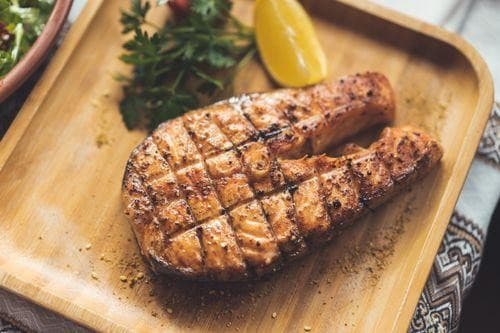
- Lean Animal Proteins: Focus on skinless poultry (chicken and turkey), lean cuts of red meat (labeled "loin" or "round"), and various types of seafood like salmon, tuna, and halibut. For instance, a 3-ounce skinless chicken breast provides approximately 26 grams of protein.
- Plant-Based Options: Incorporating plant proteins like beans, lentils, soy (tofu, tempeh), and whole grains is linked to healthier aging and reduced cognitive impairment. Half a cup of cooked lentils offers about 9 grams of protein.
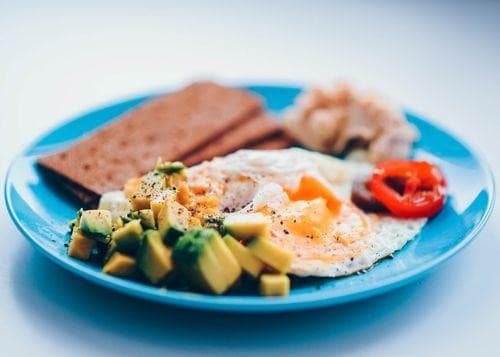
- Dairy and Eggs: Greek yogurt, cottage cheese, and eggs are versatile staples. One large egg contains about 6 grams of protein, while half a cup of low-fat cottage cheese provides over 12 grams.
Sample 7-Day Meal Template
A practical high protein diet plan should distribute protein intake evenly throughout the day, starting with breakfast. Below is a template based on common dietitian-designed schedules:
| Day |
Breakfast |
Lunch |
Dinner |
| 1 |
Boiled eggs on wholegrain toast |
Rainbow quinoa salad with ham and beans |
Grilled lamb chop with sweet potato mash |
| 2 |
Raspberry & peanut butter overnight oats |
Chicken salad flat bread with avocado |
Herb-roasted chicken with potatoes and feta |
| 3 |
Muffin with peanut butter and a latte |
Tuna and avocado salad on multigrain toast |
Beef and black bean stir-fry with rice noodles |
| 4 |
Coconut blueberry baked oats |
Chickpea and barley salad |
Spaghetti Bolognese with lean mince and parmesan |
| 5 |
Porridge with milk, seeds, and fruit |
Chicken and pasta salad with steamed greens |
Baked salmon with quinoa and vegetables |
| 6 |
Banana and chocolate smoothie |
Spiced sweet potato and chickpea fritters |
Grilled pork chops with brown rice and broccoli |
| 7 |
Egg, tomato, and feta pita |
Beef and noodle lettuce cups |
Marry me chicken and spaghetti squash casserole |
If you want a personalized version of this plan, Meal Planner Pro lets you build a custom high protein diet plan based on your body weight, goals, and food preferences.
Specialized Considerations: Fortification and Safety
For individuals with a poor appetite or those recovering from illness, the goal of a high protein diet plan may shift toward fortification—adding extra protein and calories without increasing portion sizes. This can be achieved by adding milk powder to full-fat milk, drizzling oils on pasta, or stirring grated cheese into soups and mashed potatoes.
While generally safe for healthy individuals in the short term, there are risks to consider:
- Kidney Health: Those with pre-existing kidney disease should consult a doctor, as high protein intake can strain kidney function.
- Nutrient Gaps: Restricting carbohydrates too severely can lead to fiber deficiencies, resulting in constipation or headaches.
- Heart Health: If a plan relies heavily on processed meats or high-fat cuts, it may raise "bad" LDL cholesterol and increase the risk of heart disease.
Ultimately, the most effective high protein diet plan is one that is sustainable, balanced with healthy fats and complex carbohydrates, and tailored to your specific health goals. A tool like Meal Planner Pro makes it easy to build and track a high protein diet plan that fits your lifestyle long-term.