Back to Blog
Health & Nutrition

Korean Beef Bowl Recipe and Calories: A Fast, Healthy Weeknight Dinner

Make a delicious Korean beef bowl in 20 minutes. Learn the recipe steps, ingredients, calorie breakdowns, and low-carb swaps.

MP

Meal Planner Pro

Nutrition Team

June 23, 2026
4 min read
Korean Beef Bowl Recipe and Calories: A Fast, Healthy Weeknight Dinner

When you need a dinner that is fast, budget-friendly, and packed with bold flavor, the korean beef bowl - recipe and calories are likely at the top of your search list. This dish, often inspired by traditional Korean bulgogi, transforms simple ground beef into a gourmet-style meal in as little as 20 minutes. By using ground meat instead of expensive steaks, you get the same smoky, caramelized flavor of Korean BBQ without the high cost or time-consuming meat slicing.

Why This Recipe is a Weeknight Favorite

The beauty of a korean beef bowl - recipe and calories profile is its versatility and speed. It is often described as a "pantry meal" because it relies on staples like soy sauce, sugar, garlic, and ginger. Most versions take only 10 minutes of prep and 10 minutes of cooking.

Key features include:

  • Affordability: Ground beef (beef mince) is significantly cheaper than the sirloin or scotch fillet used in traditional bulgogi.
  • Customizable Heat: You can use gochujang (fermented Korean chili paste) for a deep, lingering heat, or swap it for red pepper flakes or sriracha for a different spice profile.
  • Kid-Friendly: The balance of sweet and savory makes it a hit with families and fussy eaters.

The Ultimate Korean Beef Bowl Recipe

While there are many variations, a standard, high-quality korean beef bowl - recipe and calories count generally follows these steps:

Ingredients

  • Protein: 1 pound of lean ground beef (90/10 or 93% lean is recommended to keep it light).
  • The Aromatics: 3-4 cloves of minced garlic and 1 teaspoon of freshly grated ginger.
  • The Sauce Base: A mixture of soy sauce (or tamari for gluten-free), a sweetener (brown sugar, honey, or even grated apple), and toasted sesame oil.
  • Optional Authentic Touch: Grated red apple and onion can be added to the sauce to provide natural sweetness and a more traditional bulgogi depth.
  • The Base: Serve over 4 cups of hot cooked white rice, brown rice, or quinoa.

Instructions

  1. Whisk the Sauce: In a small bowl, combine the soy sauce, sweetener, garlic, ginger, sesame oil, and gochujang or red pepper flakes.
  2. Brown the Beef: Heat a tablespoon of oil in a large skillet over medium-high heat. Add the ground beef and cook, breaking it into small pieces until fully browned (about 5–6 minutes).
  3. Simmer: Pour the sauce over the browned beef. Stir and simmer for 1–3 minutes until the sauce slightly thickens and evenly coats the meat.
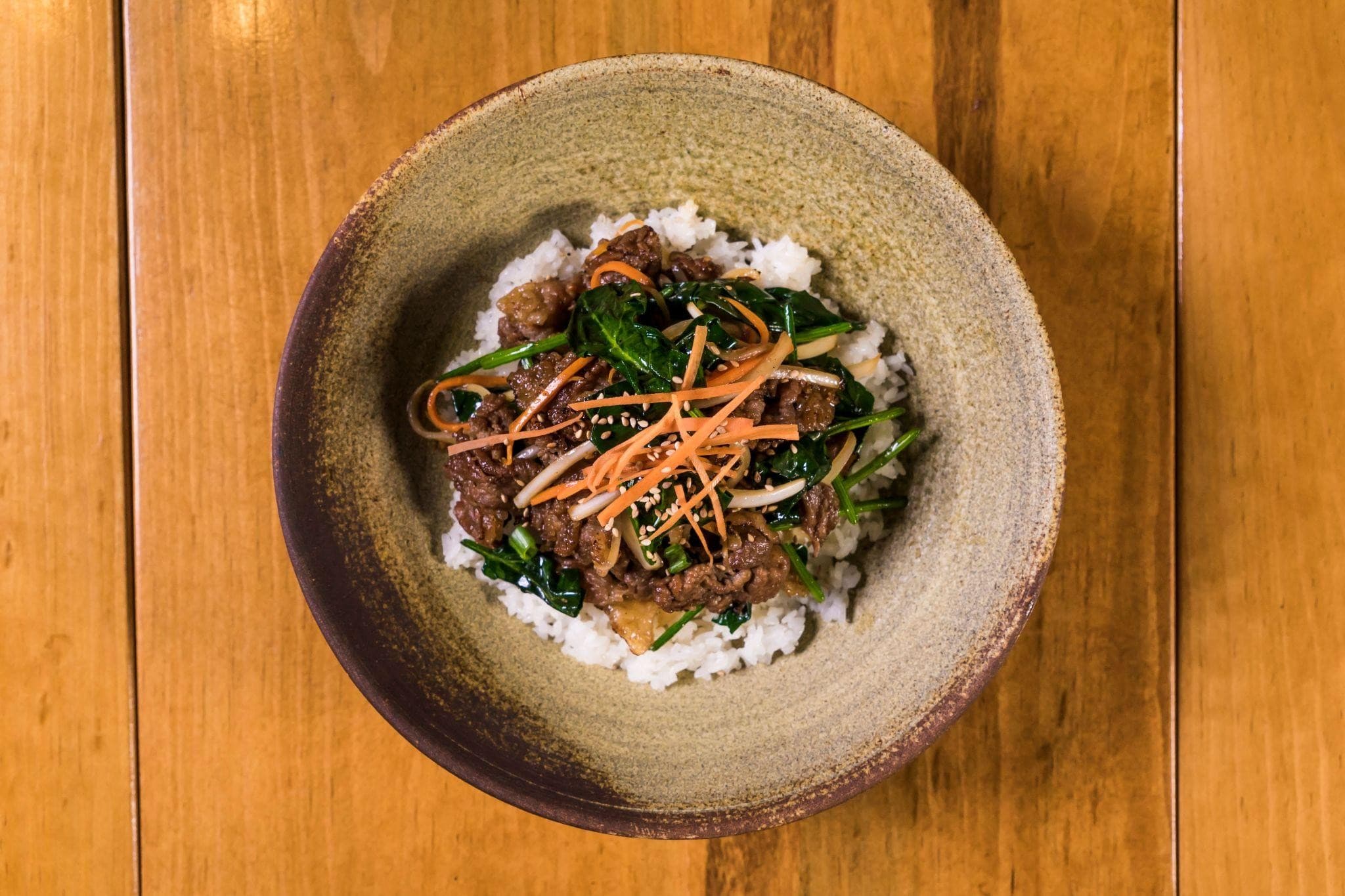
  4. Assemble: Divide the rice into bowls. Top with the beef mixture and garnish generously with sliced cucumbers, shredded carrots, scallions, and toasted sesame seeds.
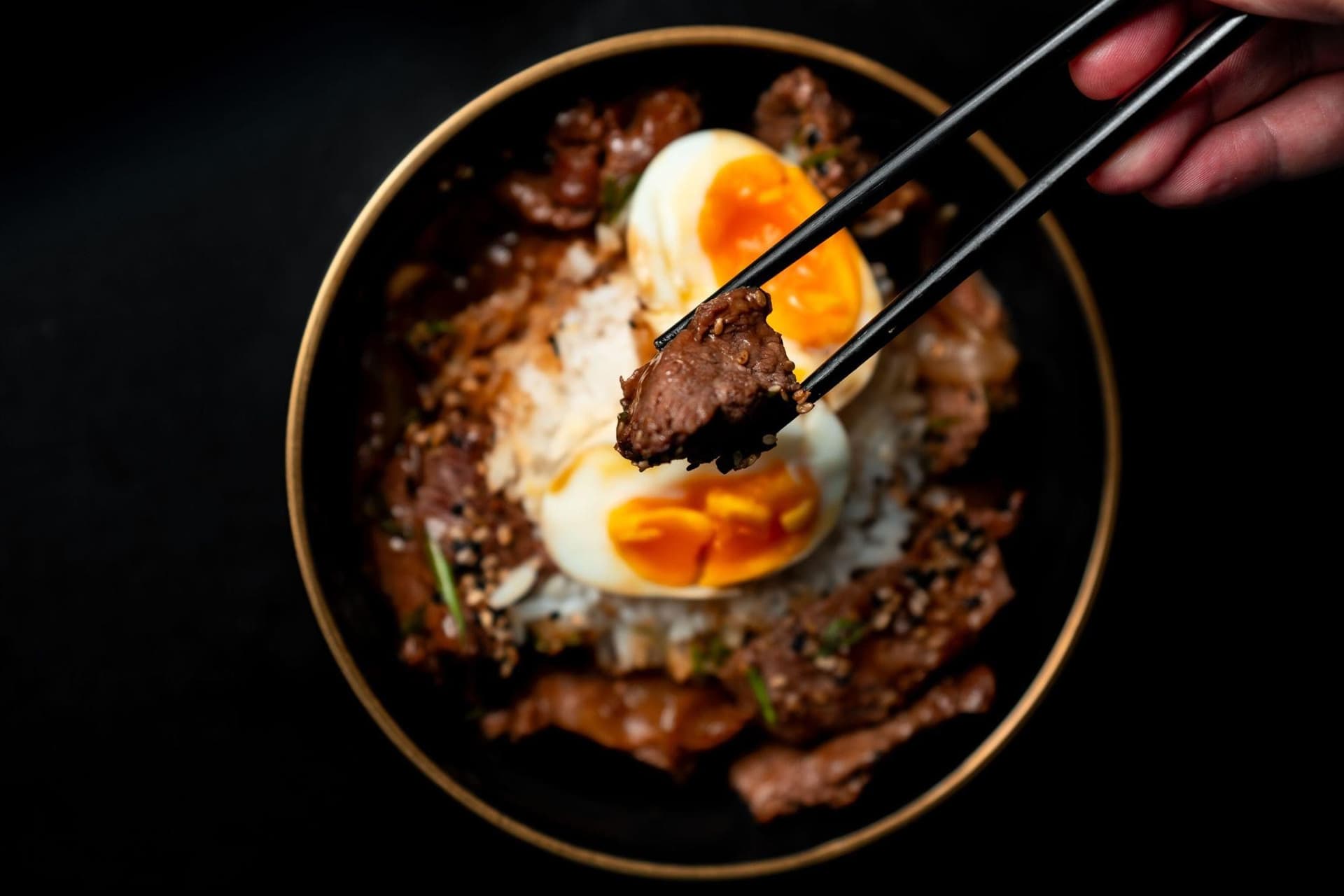
Healthy Korean Beef Bowl served over rice with vegetables

Korean Beef Bowl: Calories and Nutrition

Understanding the korean beef bowl - recipe and calories breakdown is essential for those tracking their intake. Because the ingredients—especially the fat content of the beef and the amount of rice—can vary, the caloric count per serving ranges across different popular versions:

  • Standard Servings: Many recipes fall between 500 and 650 calories per serving when including a full cup of white rice and standard toppings.
  • Lighter Options: Using 93% lean ground beef and focusing on a higher ratio of vegetables can bring the count down. One popular "healthy" version estimates approximately 303 calories per serving for the beef and vegetable portion alone, excluding the rice base.
  • Macronutrients: These bowls are generally a high-protein option, providing between 24g and 27g of protein per serving. They are also significant sources of Iron (up to 62% of daily value) and Vitamin B12.

Meal Planner Pro makes it easy to calculate exact macros and calories for this recipe and (thousands more) with its smart recipe and custom meal planner. You can adjust ingredients instantly and see updated nutrition info.

Helpful Swaps and Meal Prep

To keep your korean beef bowl - recipe and calories aligned with specific dietary goals, consider these modifications:

  • Low-Carb/Keto: Swap the white rice for cauliflower rice or serve the beef in lettuce wraps. Pro-tip: Save this Korean beef bowl as a repeatable meal in Meal Planner Pro. It automatically handles macro calculations, generates your weekly shopping list, and lets you batch-prep with perfect portions.
  • Gluten-Free: Use tamari or coconut aminos in place of traditional soy sauce.
  • Vegetable Upgrades: To add more volume without many extra calories, include steamed broccoli, sautéed spinach, or kimchi.
  • Meal Prep: This recipe is ideal for meal prepping as the beef reheats exceptionally well. Store the beef and rice together, but keep fresh toppings like cucumbers and scallions in a separate container to maintain their crunch. Leftovers typically stay fresh in the refrigerator for up to 4 days.
#Nutrition#Healthy Eating#Meal Planning#Lifestyle