Back to Blog
Diet Plans

The Complete Anti Inflammatory Diet Meal Plan: Principles, Foods, and a 7-Day Template

Calm chronic inflammation with an anti inflammatory diet meal plan. Learn the core principles, foods to avoid, and explore our sample 7-day meal schedule.

MP

Meal Planner Pro

Nutrition Team

June 25, 2026
6 min read
The Complete Anti Inflammatory Diet Meal Plan: Principles, Foods, and a 7-Day Template

Implementing an anti inflammatory diet meal plan is a science-backed approach to calming a persistent immune response that, when left unchecked, can lead to chronic conditions such as heart disease, type 2 diabetes, arthritis, and various autoimmune disorders. Chronic inflammation often manifests as persistent fatigue, joint stiffness, headaches, or "brain fog," and is frequently fueled by environmental toxins, stress, and diets heavy in ultra-processed foods. Meal Planner Pro can help you build a personalized anti inflammatory diet meal plan that crowds out inflammatory triggers with whole, nutrient-dense alternatives.

The Core Principles of Anti-Inflammatory Eating

A successful anti inflammatory diet meal plan is not a rigid set of rules but rather a shift toward whole, nutrient-dense foods. Much like the Mediterranean or DASH diets, this eating pattern prioritizes "crowding out" inflammatory triggers with vibrant, fiber-rich alternatives.

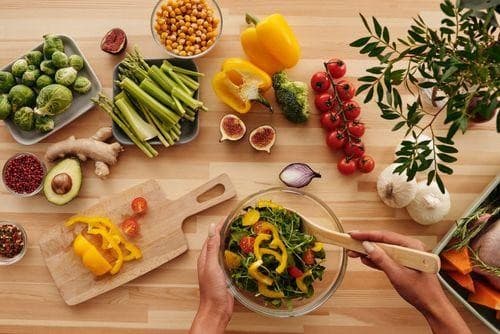
  • Focus on the "Rainbow": Fill half your plate with colorful vegetables and fruits, such as leafy greens, beets, broccoli, and berries. These contain polyphenols and antioxidants that protect cells from damage.
  • Prioritize Healthy Fats: Incorporate unsaturated fats found in extra-virgin olive oil, avocados, nuts (especially walnuts), and seeds like chia or flax.
  • Increase Omega-3 Intake: Fatty fish—including salmon, mackerel, sardines, and tuna—are essential for their potent anti-inflammatory effects.
  • Choose High-Fiber Carbohydrates: Replace refined grains with whole grains like oats, quinoa, and brown rice to support gut health and lower inflammatory markers.
  • Leverage Herbs and Spices: Ingredients like turmeric (often paired with black pepper for absorption), ginger, cinnamon, and garlic provide powerful natural compounds that fight inflammation.

Building Your Daily Plate

When designing an anti inflammatory diet meal plan, experts recommend a balanced plate strategy to ensure satiety and stable blood sugar:

  • Half the plate: Vegetables of various colors.
  • One-quarter of the plate: Lean protein such as fish, chicken, tofu, or legumes (beans and lentils).
  • One-quarter of the plate: High-fiber carbs like a small sweet potato or a serving of quinoa.
  • A "drizzle" of healthy fat: Olive oil or avocado to help absorb fat-soluble vitamins A, D, E, and K.
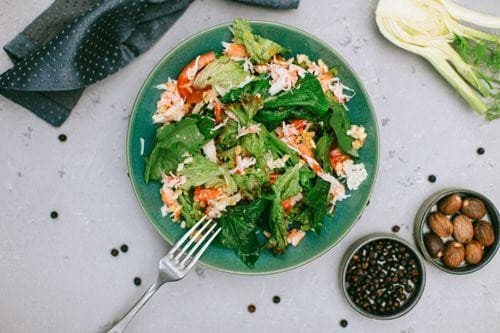
Fresh anti-inflammatory ingredients like berries and olive oil

Sample 7-Day Meal Inspiration

A practical anti inflammatory diet meal plan should be flexible and flavorful. Below is a template of meal ideas derived from dietitian-approved schedules:

Meal Day 1 Day 2 Day 3
Breakfast Berry almond oatmeal with cinnamon Greek yogurt with cherries and walnuts "Really Green" smoothie with spinach and chia
Lunch Mediterranean quinoa salad with chickpeas Tuna salad with mashed avocado on whole-grain bread Sweet potato, kale, and chicken salad
Dinner Lemon herb salmon with roasted asparagus and sweet potato Black bean burgers on lettuce wraps with Greek yogurt Sheet-pan chicken with root vegetables and rosemary
Snack Apple with almond butter Hummus with cucumber and bell pepper slices Handful of walnuts or a hard-boiled egg

Want to customize this template to your own preferences and health goals? Meal Planner Pro lets you plan your full week of anti-inflammatory meals in minutes, with automatic nutritional breakdowns for every dish.

Foods to Limit or Avoid

To maximize the effectiveness of your anti inflammatory diet meal plan, it is crucial to reduce "ultra-processed" foods that can damage the gut lining and trigger inflammatory genes.

  • Added Sugars: Stay away from sodas, sugary cereals, and flavored yogurts.
  • Refined Carbohydrates: Limit white bread, white rice, and packaged biscuits or crackers.
  • Saturated and Trans Fats: Reduce intake of processed meats (hot dogs, sausages), deep-fried foods, and excessive high-fat dairy like butter or ice cream.
  • Specific Triggers: For some, gluten, dairy, or "nightshade" vegetables (tomatoes, peppers) may be individual triggers for inflammation.

Enhancing Results Through Lifestyle

While diet is a primary tool, a holistic anti inflammatory diet meal plan works best when paired with broader wellness habits. Regular exercise (at least 150 minutes per week) and 7–9 hours of quality sleep help drive down inflammatory markers. Additionally, staying hydrated and managing stress through mindfulness or yoga can prevent cortisol spikes that otherwise fuel inflammation. Interestingly, even your morning coffee or tea can contribute, as they contain polyphenols that support the immune system.

#Nutrition#Healthy Eating#Meal Planning#Lifestyle