The ketogenic diet is a high-fat, low-carbohydrate, and moderate-protein eating strategy designed to shift your body’s metabolism into a state called ketosis. In this state, your body runs out of its usual fuel source (glucose) and begins burning fat to produce molecules called ketones, which are a clean-burning and long-lasting energy source. Going on a keto diet meal plan is the most effective way to reach this fat-burning zone, which typically takes between one to three days of strict adherence.
Understanding the Macronutrient Ratios
To trigger ketosis, your daily intake must follow specific macronutrient ratios. Most standard keto diet meal plan structures suggest that 70% to 75% of your calories come from fats, 15% to 20% from protein, and only 5% to 10% from carbohydrates. While individual needs vary, maintaining ketosis generally requires keeping net carbohydrates (total carbs minus fiber) between 20 and 50 grams per day. Tools like Meal Planner Pro simplify tracking these ratios by generating personalized meal plans that keep your fat, protein, and carb intake precisely within your target ranges.
The Benefits of Going Keto
Beyond simple fat loss, a well-formulated keto diet meal plan offers several physiological advantages:
- Appetite Suppression: High-fat, moderate-protein meals are incredibly satiating, which naturally reduces hunger and the urge to snack.
- Steady Energy: By stabilizing blood sugar, you can avoid the energy crashes often associated with high-carb diets.
- Mental Clarity: Many followers report improved focus and mental clarity because ketones are an efficient fuel for the brain.
- Metabolic Health: Research suggests keto may help stabilize blood sugar and improve insulin sensitivity, particularly for those managing type 2 diabetes.
Building Your Keto Plate: Foods to Eat and Avoid
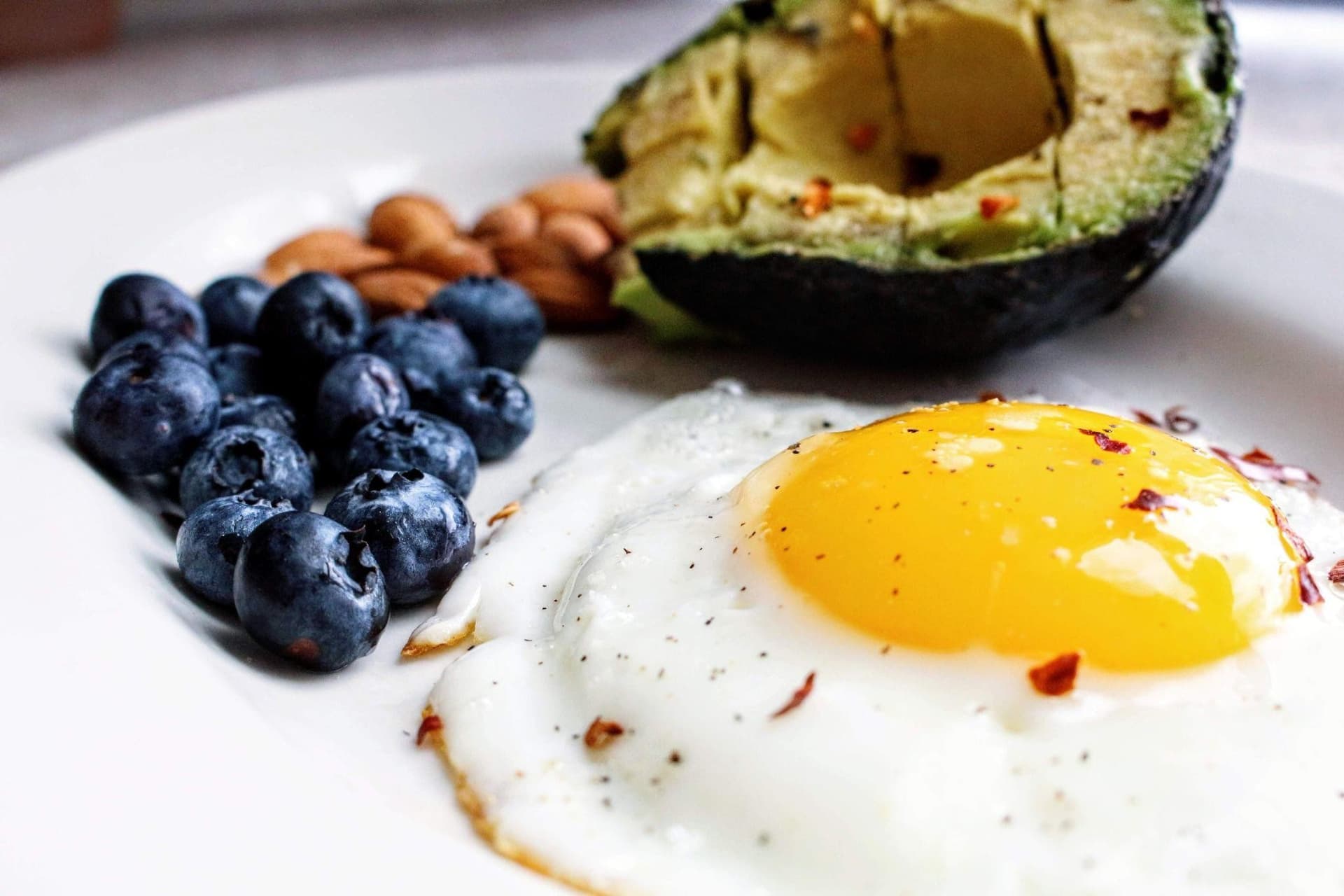
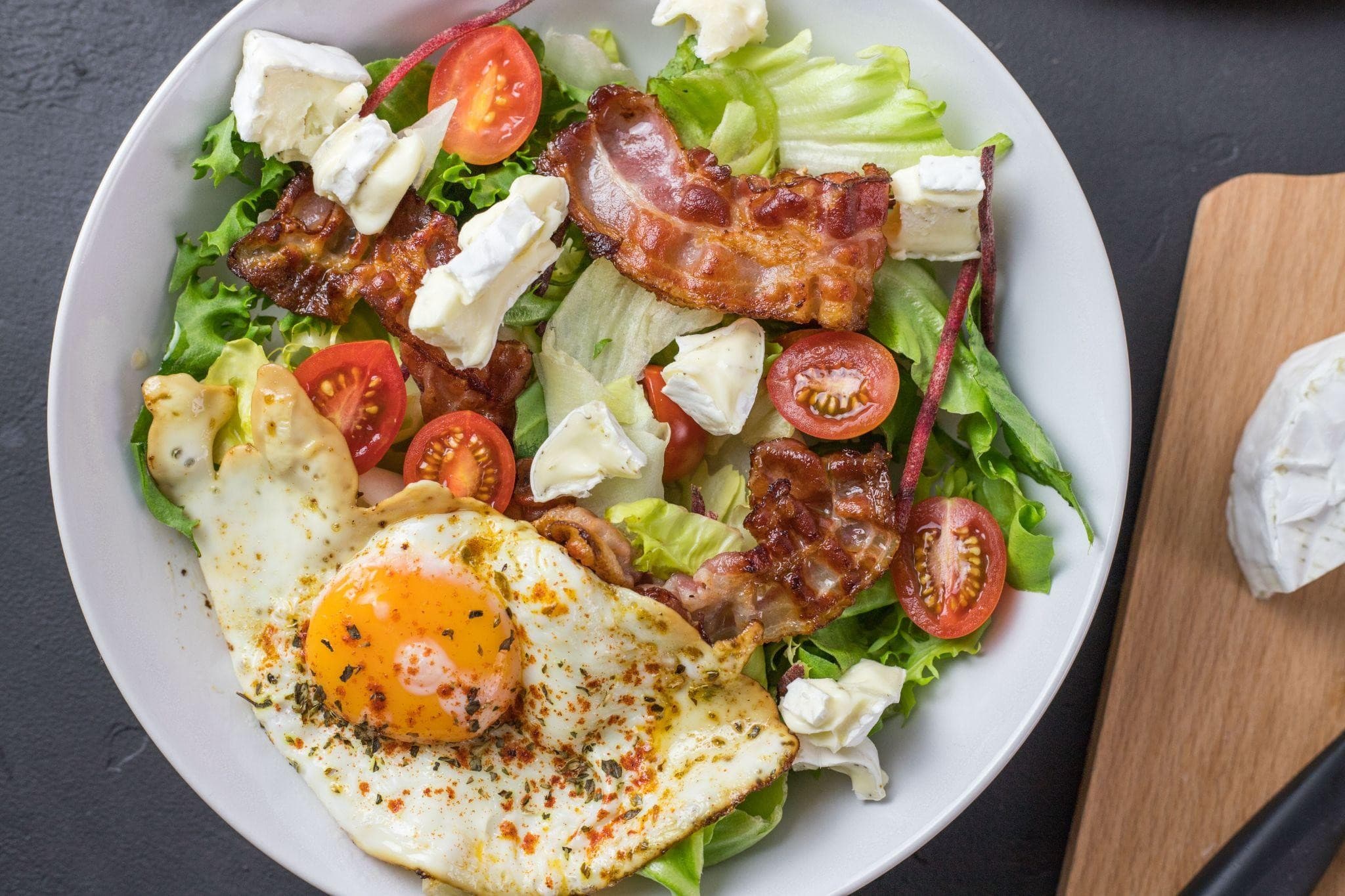
A successful keto diet meal plan centers on whole, nutrient-dense foods. Focus your shopping list on high-quality proteins like grass-fed beef, poultry, fatty fish (salmon, mackerel), and eggs. Complement these with healthy fats such as avocado, olive oil, butter, and coconut oil. Non-starchy vegetables, including leafy greens, broccoli, cauliflower, and zucchini, should provide the bulk of your fiber.
On the other hand, you must avoid high-carb staples that can “kick” you out of ketosis. This includes sugary foods (candy, soda, juice), starchy grains (bread, pasta, rice), beans, and most fruits, with the exception of small portions of berries.