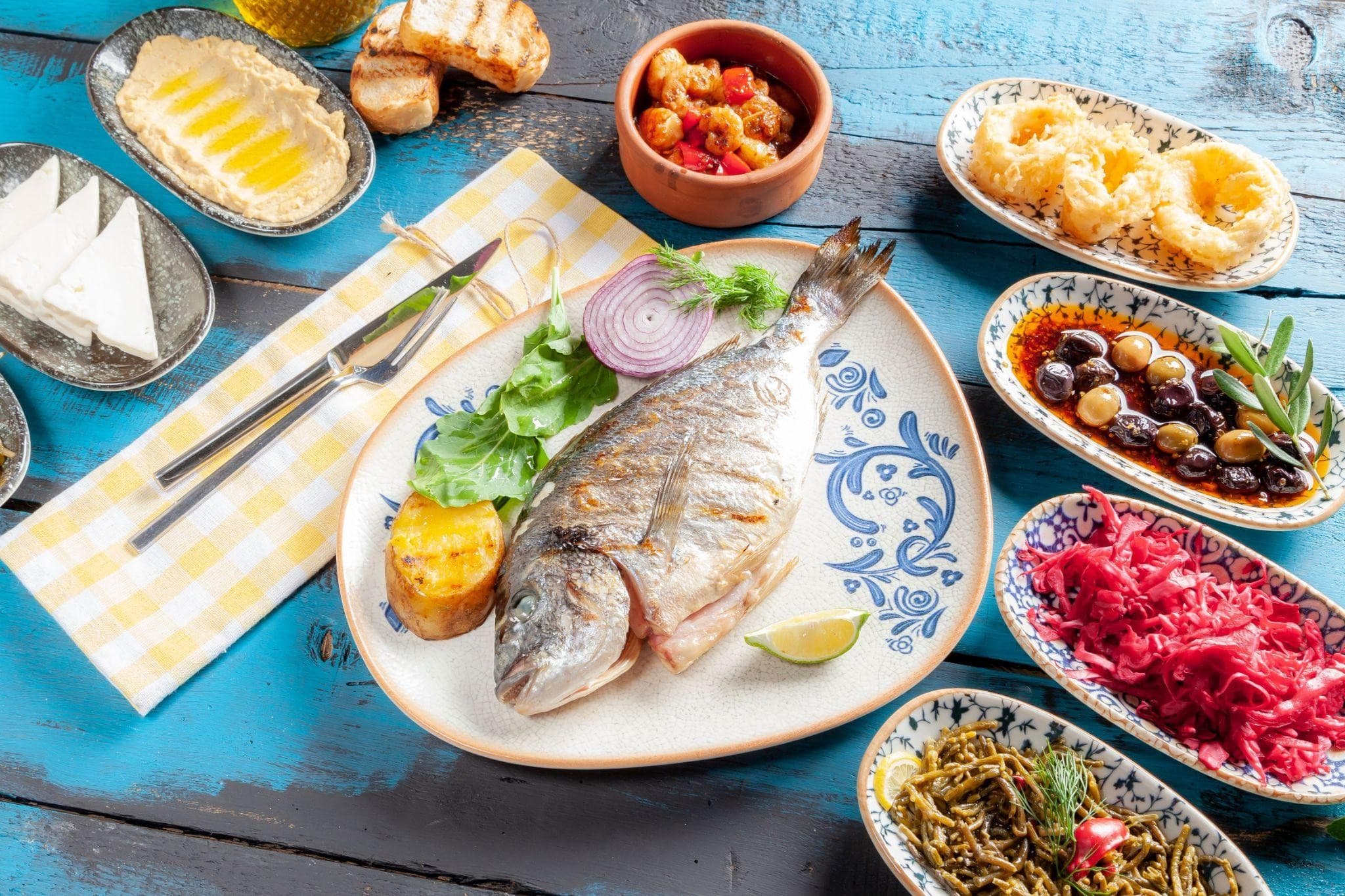
The Mediterranean diet meal plan is widely celebrated as one of the world’s healthiest cuisines. It draws inspiration from the traditional culinary habits of cultures bordering the Mediterranean Sea, particularly Greece and Southern Italy. Rather than being a restrictive set of rules, it is a plant-forward lifestyle that emphasizes minimally processed whole foods, healthy fats, and shared meals.
Adopting a Mediterranean diet meal plan is an evidence-based approach to increasing longevity and reducing the risk of chronic conditions like heart disease, type 2 diabetes, and certain cancers.
Core Principles of the Mediterranean Diet
This cuisine involves a lot of plant-based foods. A balanced plan generally follows these intake levels:
- High Intake (Daily): Plentiful amounts of vegetables, fruits, legumes (beans and lentils), nuts, seeds, and whole grains. Extra virgin olive oil (EVOO) should be the primary source of fat, replacing butter and other refined oils.
- Moderate Intake (Weekly): Fish and seafood (at least twice a week), poultry, eggs, and fermented dairy like yogurt and natural cheeses.
- Low Intake (Rarely): Red meat should be limited to once a week or a few times a month, while processed meats, sugary drinks, and refined carbohydrates should be avoided.
- Lifestyle Factors: Health benefits are maximized when the diet is paired with regular physical activity, adequate rest, and the social enjoyment of meals with friends and family.
Planning out the right quantities can be tough. Using a tool like Meal Planner Pro makes it easier for you to figure out the perfect intake based on your personal goals and lifestyle!
Health and Wellness Benefits
Research has consistently shown that following a Mediterranean diet meal plan supports heart health by improving cholesterol, blood pressure, and overall cardiovascular function. One long-term study found that women with high adherence to this diet had a 23% lower risk of dying from any cause compared to those who did not.
Furthermore, it is a powerful tool for blood glucose management. For individuals with type 2 diabetes, the high fiber content from legumes and whole grains helps stabilize blood sugar and can even promote weight loss. It is also linked to better brain function, potentially slowing cognitive decline and reducing the risk of Alzheimer’s and Parkinson’s diseases.
A 7-Day Mediterranean Diet Meal Plan
This sample plan incorporates various nutrient-dense recipes that are both appetizing and healthy!
Day 1
- Breakfast: Two slices of wholegrain toast topped with sliced tomatoes, half an avocado, and two scrambled eggs.
- Lunch: Hearty minestrone soup packed with seasonal vegetables.
- Dinner: Grilled lemon and chili chicken served with a side of couscous.
- Snack: A handful of plain almonds.
Day 2
- Breakfast: One cup of Greek yogurt topped with fresh raspberries, shredded almonds, and a drizzle of honey.
- Lunch: Salmon, red onion, and sweet pepper wraps.
- Dinner: Wholegrain pizza topped with tomato paste, shredded chicken, grilled vegetables, and pine nuts.
- Snack: A medium orange or two kiwifruits.
Day 3
- Breakfast: Bircher muesli with oats and fruit.
- Lunch: Watermelon and chickpea salad with cucumber, feta, and fresh mint.
- Dinner: Greek chicken bowl with cherry tomatoes, cucumber, and brown rice, topped with tzatziki.
- Snack: Two wholegrain crackers with hummus and cucumber slices.
Day 4
- Breakfast: Steel-cut oats with fresh berries and ground flaxseed.
- Lunch: Lentil, vegetable, and barley soup served with a wholegrain roll.
- Dinner: Baked salmon fillet served with one cup of cooked quinoa and roasted cauliflower and carrots.
- Snack: A handful of walnuts.
Day 5
- Breakfast: Whole-grain toast with nut butter and a tropical fruit smoothie.
- Lunch: Black bean bruschetta on sourdough topped with mashed avocado, cherry tomatoes, and feta.
- Dinner: Chicken kabobs with zucchini and cherry tomatoes.
- Snack: Raw veggies with a nonfat Greek yogurt dip.
Day 6
- Breakfast: Two poached eggs served with rye bread.
- Lunch: Roast mackerel with a curried coriander crust and baby new potatoes.
- Dinner: Grilled vegetable pizza using extra virgin olive oil.
- Snack: 80g of raspberries with a small serving of Greek yogurt.
Day 7
- Breakfast: Fig and ricotta toast on wholegrain bread topped with chopped pistachios.
- Lunch: Mixed bean salad with olives, tomatoes, and feta, served with whole-grain pita.
- Dinner: Garlic and oregano marinated steak (3oz) with roasted vegetables and mashed sweet potatoes.
- Snack: Spicy roasted chickpeas.
It’s clear that a Mediterranean diet meal plan can fit in loads of variety. To find more recipes that fit your specific palate, check out Meal Planner Pro!
Tips for Success
- Prioritize Fiber: Aim for at least five portions of fruits and vegetables daily to meet your fiber requirements, which supports gut health and satiety.
- Master Meal Prep: Many Mediterranean staples like granola, oatmeal, and hearty salads can be prepped in advance to save time during the workweek.
- Choose Your Fats Wisely: Always opt for extra virgin olive oil over regular olive oil or animal fats, as it contains higher levels of antioxidants that protect cells from damage.
- Stay Hydrated: Drink plenty of water throughout the day. You may also enjoy plain tea, coffee without sugar, or red wine in low-to-moderate amounts with meals.
- Consult Professionals: Before making significant dietary changes, especially if managing a condition like diabetes, consult with a dietitian or healthcare team to tailor the plan to your specific caloric and nutritional needs.