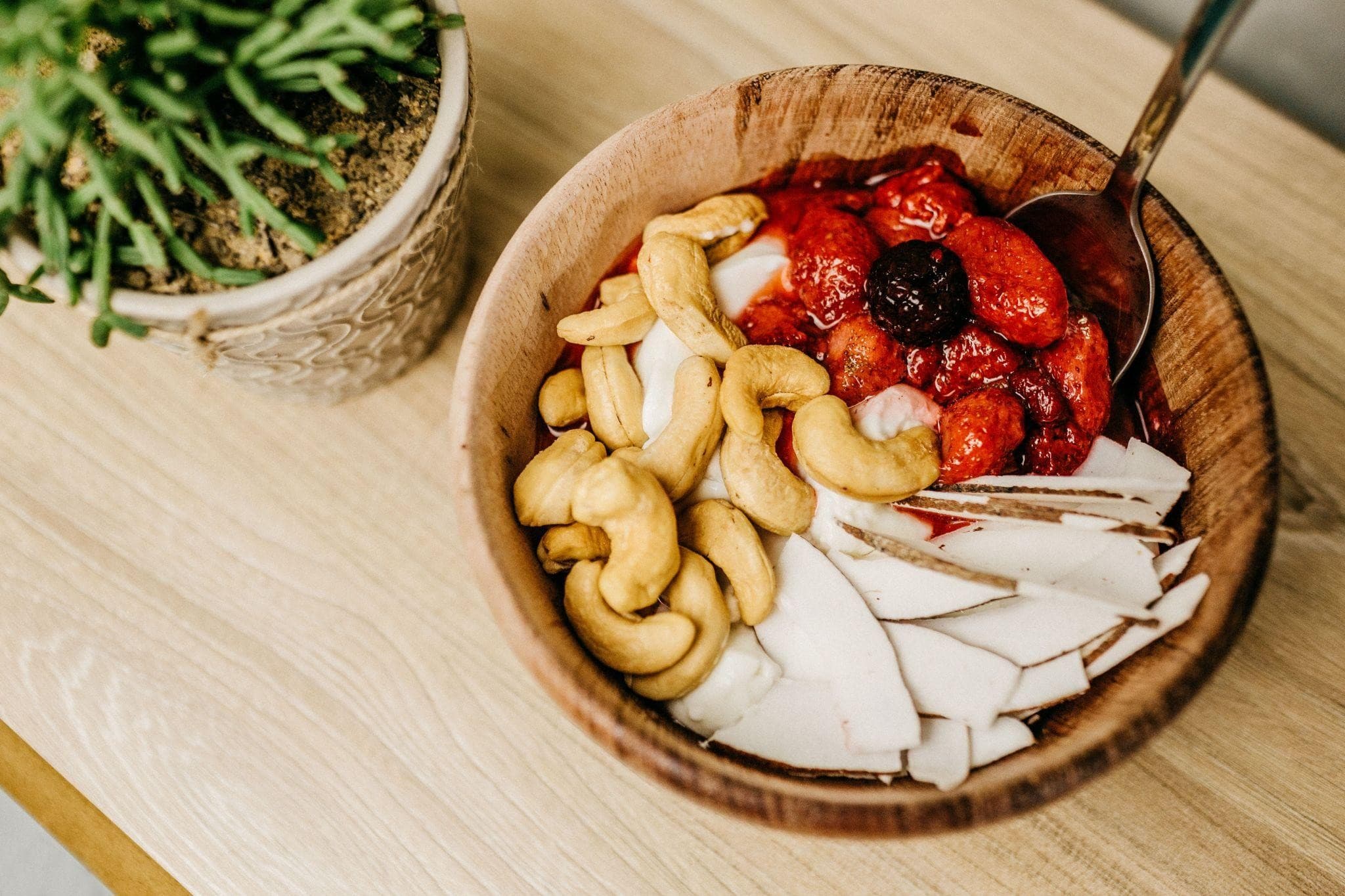
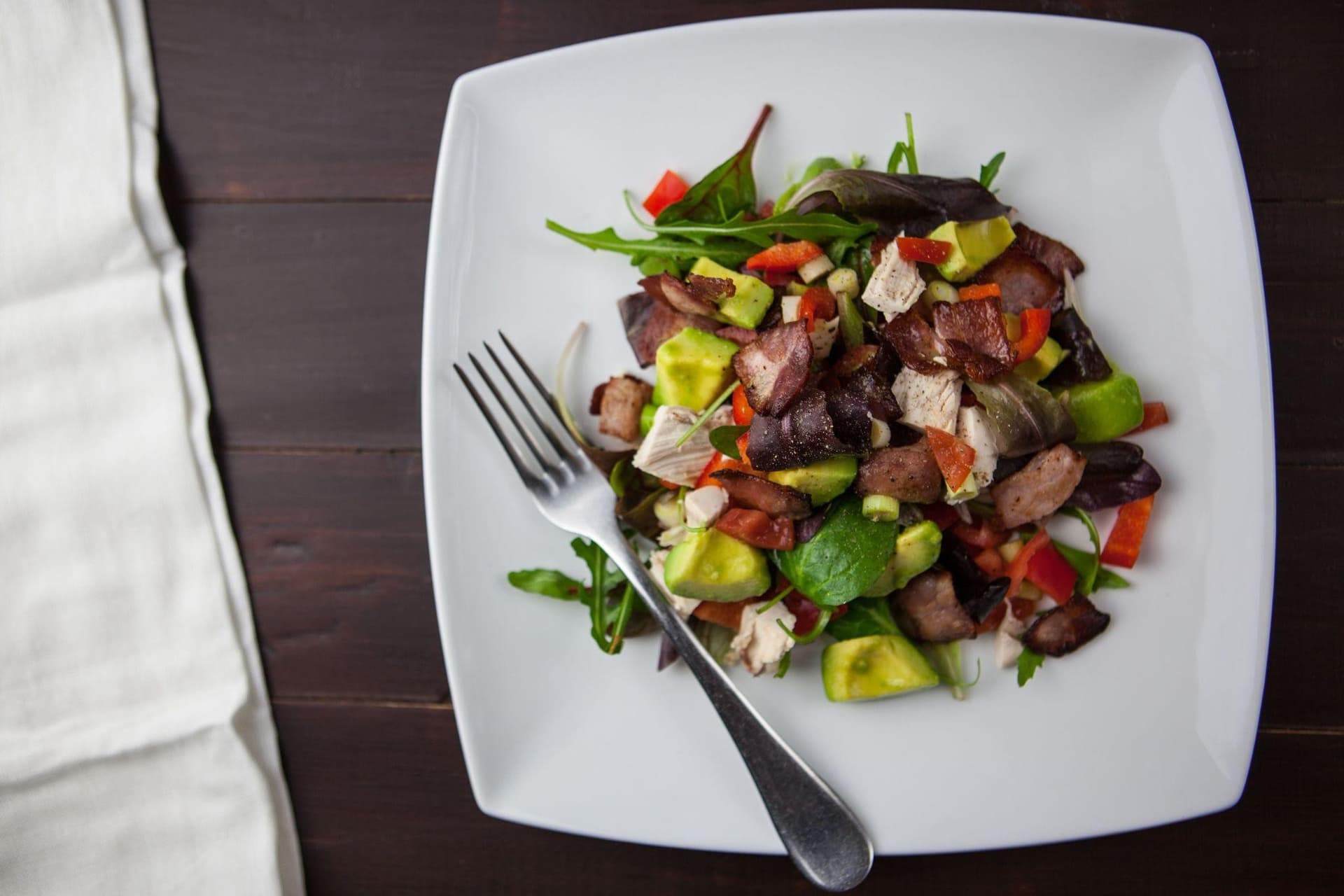
The paleo diet, often referred to as the "Stone Age" or "caveman" diet, is based on the simple premise that human bodies are better suited for the types of foods consumed by our hunter-gatherer ancestors. By prioritizing whole, unprocessed foods and eliminating modern staples like refined sugars and grains, a paleo meal plan aims to help individuals achieve better energy levels, weight management, and improved digestion.
What Is a Paleo Meal Plan?
At its core, this way of eating focuses on foods that could be hunted, fished, or gathered thousands of years ago during the Paleolithic era. A successful paleo meal plan eliminates ingredients that weren't available before the advent of agriculture, such as processed oils, dairy, legumes, and grains. Instead, it emphasizes lean proteins, fresh produce, and healthy fats to provide the body with essential nutrients.
Key Principles: What to Eat and Avoid
To build a sustainable paleo meal plan, it is essential to understand the "yes" and "no" lists:
Foods to Prioritize:
- Proteins: Grass-fed beef, pasture-raised poultry, pork, and eggs.
- Seafood: Wild-caught fish like salmon, mackerel, and trout, as well as shellfish.
- Vegetables: Leafy greens, cruciferous veggies (broccoli, cauliflower), and root vegetables like sweet potatoes and carrots.
- Fruits: Low-glycemic options like berries, apples, and citrus.
- Fats: Olive oil, avocado oil, coconut oil, nuts, and seeds.
Foods to Avoid:
- Grains: Wheat, rice, corn, oats, and pasta.
- Legumes: Beans, lentils, peanuts, and soy.
- Dairy: Milk, cheese, and yogurt (though some modified versions allow grass-fed butter).
- Processed Ingredients: Refined sugars, high-fructose corn syrup, and industrial seed oils like soybean or canola oil.
Health Benefits and Considerations
Many people adopt a paleo meal plan for its potential to support weight loss and glucose control. Because the diet eliminates refined sugars and high-carbohydrate processed foods, it can help regulate insulin levels and reduce waist circumference. Other reported benefits include reduced inflammation and improved heart health markers, such as lower blood pressure and cholesterol.
However, it is important to be aware of potential risks. Cutting out entire food groups like dairy and grains may lead to nutritional deficiencies in calcium and vitamin D if not carefully managed. Experts recommend consulting with a healthcare professional or nutritionist before starting to ensure your paleo meal plan meets all your fiber and micronutrient needs.
Practical Tips for Success
Transitioning to this lifestyle requires more than just a food list; it requires strategy.
- Prep Ahead: Maximize your time by chopping vegetables and marinating meats in advance.
- Batch Cook: Prepare large quantities of proteins like grilled chicken or roasted beef to use for leftovers during busy workdays.
- Use Substitutes: Get familiar with paleo-friendly alternatives like cauliflower rice for grains or zoodles (zucchini noodles) for pasta.
- Listen to Your Body: Focus on mindful eating rather than strict calorie counting.
If you're not sure where to start, Meal Planner Pro can make the process easier by building and customizing your paleo meals in minutes.
Sample 7-Day Paleo Meal Plan
Here is a sample structure for one week of eating to help you get started:
| Day |
Breakfast |
Lunch |
Dinner |
| Day 1 |
Scrambled eggs with spinach and avocado |
Chicken and veggie bowl with cauliflower rice |
Baked salmon with asparagus and sweet potatoes |
| Day 2 |
Almond flour pancakes with fresh fruit |
Leftover salmon or a turkey and avocado lettuce wrap |
Grass-fed steak with mashed cauliflower and green beans |
| Day 3 |
Chia seed pudding with coconut milk |
Grilled shrimp with a mixed green salad |
Braised short ribs with zucchini and butternut squash |
| Day 4 |
Egg white omelet bites with bacon |
Paleo chicken soup with carrots and celery |
Bison burger (lettuce-wrapped) with sweet potato fries |
| Day 5 |
Coconut yogurt with bananas and almonds |
Tuna salad with mixed greens and olive oil |
Pork chops with garlic-roasted cauliflower and kale |
| Day 6 |
Frittata with tomatoes and kale |
Spiced chicken with avocado salsa and roasted carrots |
Seared scallops with asparagus and mashed sweet potatoes |
| Day 7 |
Egg boats with a side of prosciutto |
Grass-fed beef meatballs with cucumbers and olives |
Whole roasted snapper with sautéed greens and cauliflower rice |
If you prefer a personalized plan instead of a fixed one, Meal Planner Pro has you covered! It lets you generate a custom paleo-friendly meal plan that follows your goals, preferences and schedule.
Paleo-Friendly Snacks and Indulgences
When hunger strikes between meals, you don't have to break your paleo meal plan. Portable options include hard-boiled eggs, raw nuts and seeds, apple slices with almond butter, or jerky without added sugars. For those who need a treat, small amounts of dark chocolate (70% or higher cocoa) and quality red wine are generally considered "sensible indulgences".
Conclusion
Starting a paleo meal plan is a journey toward reconnecting with whole, natural ingredients. While the strictness of the diet can be challenging at first, many find success by following an 85/15 guideline, where they stick to paleo foods 85% of the time while allowing for flexibility the other 15%. By focusing on high-quality proteins and plenty of fresh vegetables, you can create a sustainable way of eating that supports your long-term health goals.